Back in 2022, I wrote an article that quickly became one of the most read pieces that I had created up to that point and it focussed on what I believed to be a hidden problem in the world of insurance – the things that clients and brokers overlook – the hidden general contents.
In the three years since then, you would be amazed how many conversations I have had with brokers about washing machines and carpets – it is not what I would describe as the glamorous end of what we do as valuers, but it is of such importance that it really needs to be at the forefront of people’s minds when correctly insuring a property and its contents.
Back in 2022 we saw what can only be described as an astonishing increase in the cost of goods and services, and according to the office of national statistics a 16% increase in the cost of furniture over the 12 months previously – meaning that a £10,000 settee bought in 2021, would now be £11,600 just 12 months later.
This surge in furniture costs was driven by a combination of factors that all collided at once. Supply chain disruptions from the pandemic were still causing delays, raw material prices were climbing, and labour shortages meant longer lead times and higher production costs. On top of that, a shift in consumer behaviour saw people investing more in their homes, with demand for larger, more comfortable furniture increasing as remote working and home entertainment became the norm. Retailers, faced with rising expenses and strong demand, passed these costs onto consumers, resulting in the sharp 16% rise. While inflation has eased slightly since then, the cumulative effect means replacement costs today are far higher than most people realise.
Where we are at in 2025 isn’t quite as bad, but cumulatively that same settee would be close to £15,000 now after the past few years increases reducing to around 2.5%. However, there was a peak at the end of 2024 – so it is unknown where this could head.
The forgotten items are always the same pieces, from 2022 – to now. Whilst we all remember the £5,000 painting that we bought, the name of the gallery and we have probably tracked the increase in value of the artist – maybe in a little file of ‘important things’. What most of us have not done is looked at a similarly priced pair of curtains and thought about what they would cost to replace….to be fair it isn’t on a list of ‘exciting things to do at the weekend’ is it?
One of the major misconceptions that many clients still have is that they don’t need to have a valuation, because they last purchased anything new in 2003 and they would do things completely differently now if they had to redecorate…..however….whilst this may be true, it is in fact the exact reason why they need to have an up to date valuation completed.
In the years since the end of lockdown, so many new standard ways of living have emerged. For example, the first year encompassed the “I must not let go of my lockdown hobbies and ways” period, meaning that £2,000 bread maker was still being used weekly, as was the kiln for your newly found love of studio pottery, but most likely it was the newly built summer house where one of the family spent a significant amount of the year, usually with a very large television, and a bar. It’s actually quite frightening how common it is for these additional parts of the property to be excluded from the schedule and usually at best there is a small amount on the policy included for their general contents.
In addition, the shift to remote work has brought an increase in home office setups, which often involve high-end furniture, equipment, and technology. These items are frequently overlooked when it comes to valuations but can significantly affect the overall value of your contents. As more people continue to work from home, ensuring these assets are properly covered is essential.
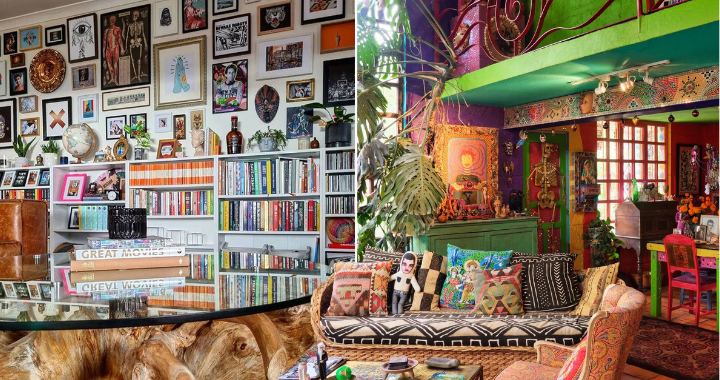
There has of course been “Cluttercore” which, don’t laugh was an actual thing…..Walking into someone’s house where a single wall may have had 30 pictures all intricately squeezed in isn’t uncommon, and suddenly a grandmothers antique frog collection from the 1920s needs to go on display.
Whilst the future of TikTok has been in jeopardy of late, the one place where it has always been at the forefront is convincing people that they should paint their own furniture, stain their own curtains and generally create many houses full of unfinished projects – (don’t ask my wife about the outhouse full of chairs, it’s a work in progress) which in turn has created houses of ‘things’ which has been a big change to the ‘minimalist’ ways of living for the last decade or so, and personally I am a fan, I like to know that I can find a pasta pan without having to drive to the storage container.
One of the biggest things that I have seen a rise in is subscriptions. Whilst most people reading this will have enjoyed Netflix for a few years before 2020, what one couldn’t envisage was the template of subscriptions to be copied over into many more areas; books, food, plants, clothes and many more which of course have not been included in recent valuations or schedules.
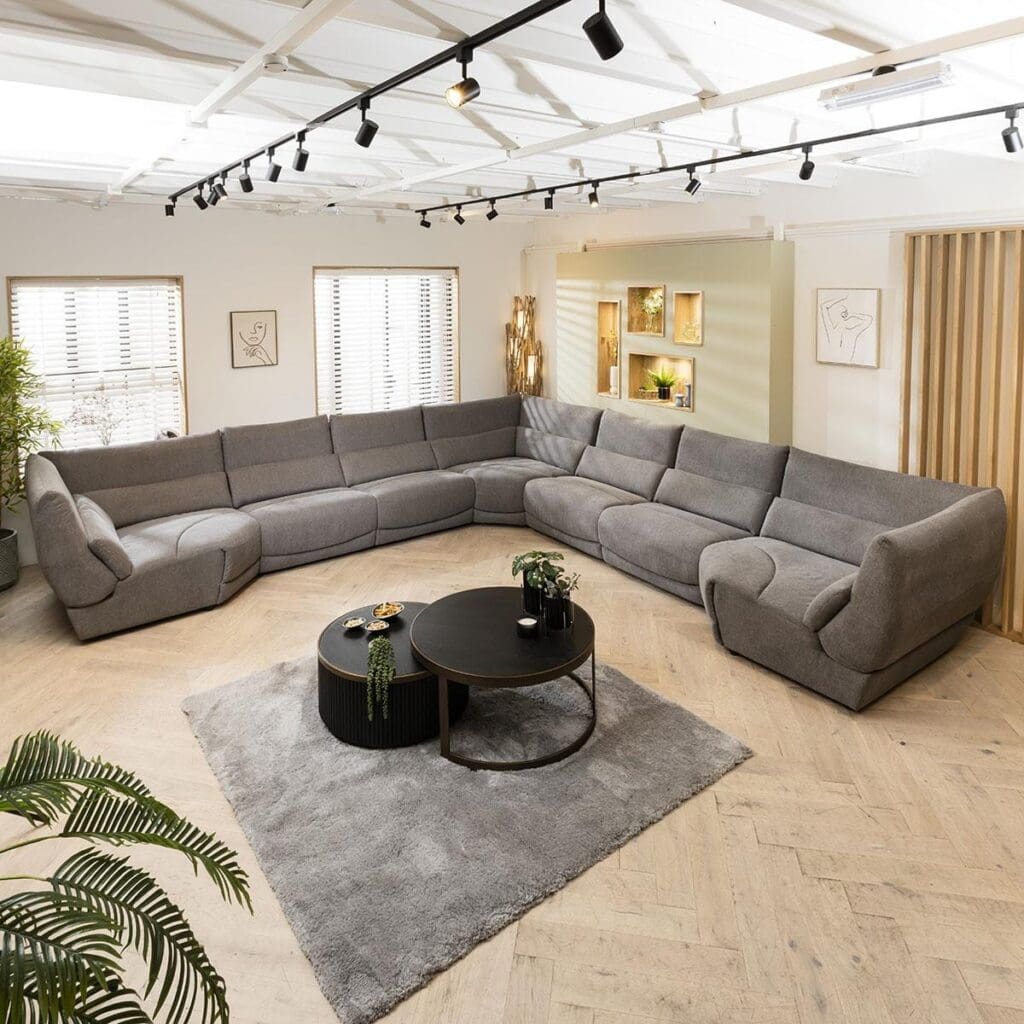
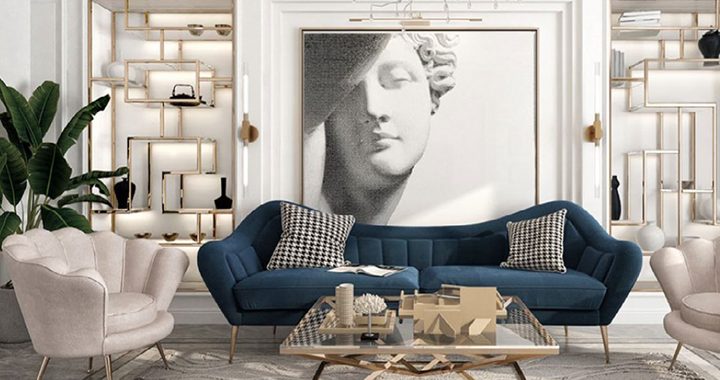
One of the biggest areas that have changed is the “massive settee that you can fit nine people on” trend that seems to be occupying the country, before when a quiet farmhouse in Wiltshire was happy with the three red leather Chesterfields that had been there since the 1980s, it was clearly the right time to replace with a corner unit where a family could literally eat, sleep, and watch previously mentioned Netflix subscriptions.
Meanwhile, another often-overlooked asset class is memorabilia. With memorabilia auctions on the rise, the value of collectibles – from sports items to historical artifacts – has seen dramatic increases over the past 12 months. We’ve seen the auctions of Freddie Mercury, Vivienne Westwood, Mark Knopfler and Nigel Mansell, to name a few in the past 18 months. If you have any memorabilia, now is the time to review its current worth, as it may have appreciated substantially in a short time.
So hopefully a few of these examples might convince you that you or your clients are long overdue a valuation – we won’t judge, unless that corner unit has a built in fridge and drinks holders, that is.
To arrange a valuation of your house contents, call us on 01883 722736 or email us on [email protected].