Valuation Trends and Risks to Know in 2026

Valuation Trends and Risks to Know in 2026

Valuation Trends are shifting as we move into 2026, shaped by changing collector behaviour, evolving tastes and ongoing volatility across global markets. From jewellery, watches and handbags to art, rare books, silver and collectables, understanding where values are moving and why has never been more important. In this article, our specialists share their insight into the key valuation trends to watch in 2026 and explain what they mean for owners, collectors and those responsible for ensuring assets are accurately insured.

Jewellery

Liz Bailey, Jewellery, Watch & Silver Specialist

“As we have seen in 2025, the price of gold has reached record breaking levels and I can see no slowing of this trend into 2026. With a near 60% price increase last year, it will be crucially important to maintain regular valuations. We would expect to see a stabilisation in the market for natural diamonds, particularly steady in round brilliants under 2ct, and price spikes continuing for elongated fancy shapes and unique cuts over 2ct. In the gemstone market, a continued and constant premium placed on natural, saturated and high-quality gemstones of a favourable origin, which may prove increasingly difficult to source on the international market. Antique, signed, and unique pieces to remain in high demand, and designer price hikes to only push replacement values for insurance. If I could urge clients one thing for their jewellery collection this year, please ensure that you have a comprehensive and up to date valuation that accounts for these market factors – inadequate cover is not a trend that we want to see in 2026!“

9.86ct Elongated Old Cut Diamond Solitaire Ring. Hancocks, POA.

Collectibles & Memorabilia

Stephanie Connell, Senior Valuer & Collector Specialist

“With a new generation evident in the market, acquiring pieces coveted in their youth I anticipate continuing growth in modern collectables. The trend towards objects from the early 2000s is gaining momentum with record prices recently in sports trading cards, and movie memorabilia from this period. With 2026 being a World Cup year football memorabilia may also be one to watch.”

Rare Books & Comics

Richard Fattorini, Rare Books & Manuscripts, Historical Photographs and Maps Consultant

“In 2026 I expect the rare book market to remain resilient and quietly buoyant with steady growth rather than a speculative boom. Auction activity continues to expand, driven by online platforms and new online auction houses specialising in rare books and works on paper that have widened access for collectors. Top-tier works selling for £100,000+ with strong provenance, historical importance or exceptional condition are likely to hold or increase in value. By contrast, more ordinary collectible titles may see flatter prices. A younger, more diverse generation of buyers in the 35-50 age bracket is reshaping tastes, with increased interest in genre fiction, science and books that tell compelling stories rather than simply fitting a traditional canon.
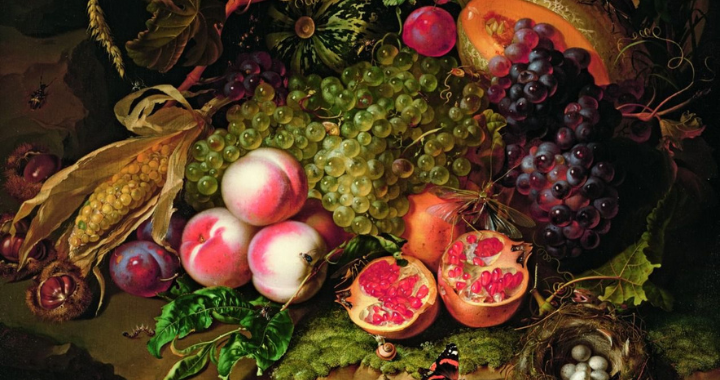
In 2025 the global top 10 books and works on paper sold at auction were dominated by Americana and American sports cards, together with a first Superman comic from 1939, an 18th century Mughal manuscript of an epic based on the Shahnama, and one of four copies of William Blake’s Songs of Experience (1793).

The results demonstrate that there are buyers out there for the best items, and collecting has never been easier with so many online platforms. The challenge for booksellers and auctioneers in 2026, as always, is finding the great material to meet the demands of collectors.”

WILLIAM BLAKE (LONDON 1757-1827) The Tyger, from: Songs of Experience. Sold for £228,600 in December 2025.

Luxury Handbags

Helen Doyle, Jewellery, Watch & Handbag Specialist

“In 2026, the resurgence of the tote is a defining trend. These large handbags have become essential for fashionistas who need a single bag that they can use for the gym, take to the office or on a weekend shopping trip. Chanel continues to offer a great variety of shopping totes, while the Louis Vuitton Neverfull remains a staple and is available in various sizes and designs. Other brands leading this movement are The Row and Saint Laurent, for those seeking ultimate luxury, the bold Hermes Birkin 40 is the standout choice for a high-end tote. These designs can be priced anywhere from £1500 up to £55,000.

2026 also sees a significant revival of old classics, as several iconic handbags from previous decades return to the spotlight. At Celine, Michael Rider has reintroduced Phoebe Philo’s classic Phantom handbag, adding a “smiley” zip to lean into its long-standing nickname. Likewise, we are seeing refreshed iterations of the Lady Dior and the Fendi Baguette, alongside a sharp rise in the popularity of the Chloé Paddington and the Balenciaga City bag.

In terms of aesthetics and materials, specific hardware and textures define the 2026 look. Chains have become a dominant feature across many collections; while Chanel has historically been central to this style, brands such as Ferragamo, Valentino, and Stella McCartney are now heavily incorporating chain details into their newest designs. Additionally, the tactile trends of 2025 are proving to have staying power. Shearling remains a popular choice for added texture, while the colour palette for the year is grounded in sophisticated neutral tones and rich brown suedes.”

Limited edition Hermès Rock HAC Birkin 40 handbag
Celine Flat Cabas New Luggage
Chanel 25 Small Handbag in black crumpled shearling sheepskin and gold-tone metal.

Silver

Jenny Knott, Jewellery & Silver Specialist

“If you’ve been watching silver at all, it feels a little like observing the quiet underdog of the precious-metals family suddenly step into the spotlight. The reliable, understated sibling has started to make the headlines, although it’s not a completely straightforward story.

Over the past five years, silver has shifted from a relatively modest performer to one of the standout commodities in global markets. The spot price – the price at which sterling silver is traded – more than doubled between 2021 and 2025, reaching £50–£60 per ounce by the end of 2025 and then peaking at £73 per ounce last week. By historical standards, this is extraordinary, even when set against previous market surges.

There is, however, a more disconcerting side to the story. While silver’s financial prominence has grown, its role as a domestic commodity, for example, in flatware, tea sets and decorative pieces, has continued to weaken. These uses once formed a central part of silver’s cultural cachet but rising prices and changing tastes have led consumers to step back from buying some traditional silverware.

For those who already own silver, this shift has had dramatic consequences. The intrinsic value of household silver has risen sharply, although this is partly offset by dealers being forced to cut their margins. Put bluntly, a single silver table fork is now likely to contain around £140 in silver value alone.

Therefore, what was a relatively quiet market until around 2023 has become strikingly dynamic. The gains seen in 2025 and early 2026 would once have seemed almost unimaginable outside the gold market. The result is a fascinating intersection of macroeconomic forces and cultural change, making silver one of the most compelling commodities to watch.”

GERALD BENNEY: a silver pitcher London 1967, also stamped GERALD BENNEY, LONDON. Sold for £3,570
Our Choice – Elsa Peretti Tiffany & Co, Medium Bone Cuff in Sterling Silver. £1,925
Elsa Peretti Tiffany & Co, Medium Bone Cuff in Sterling Silver. £1,925

Watches

Alastair Meiklejon, Senior Valuer & Watch Specialist

“In 2026 the watch market has reached the ‘calmly tidying up’ era….prices are well off the post-pandemic peak (about 33% down), but they’ve stopped face-planting at a rate of knots and even crept up 5%(ish) over the last year, but this is only in some markets.

Many watch retailers January 2026 updates back that up – the “Overall Market Index rose +1.1% in December 2025, with Rolex +0.6%”not exactly fireworks, but a lot steadier than 2022–23 vibes when some people were crying into their watch boxes.

Where it still gets spicy is the ‘coloured dial tax’, especially on Rolex. For example, secondary market currently puts the Rolex Oyster Perpetual 41 (124300) at £6500 market vs £4750 retail, so still over list.
And the brighter variants are another level – the yellow dial is £12,500, while the celebration turquoise is £11,500 – so yes, the market’s cooled, but the right dial still makes people forget what retail means.”

Rolex Oyster Perpetual 41 Green Ref 124300

Contemporary Art

Jonathan Horwich, Contemporary Art Specialist

“Looking ahead to 2026, you can expect a continued and growing focus on female artists at auction. This spans all periods, from contemporary practitioners through to Old Masters and 19th-century European painters. Demand is no longer confined to a single category, and this broader interest is already reflected in stronger and more consistent prices.

There is also sustained momentum behind African and regional African art. While figurative work has dominated in recent years, attention is shifting towards abstract painting. This is bringing a wave of new artists to market, supported by increased institutional and collector interest. Given the depth and quality of material available, this area is likely to remain a key growth sector, with valuation levels continuing to evolve as the market matures.”

Amoako Boafo (Ghanaian, born 1984) Self-Portrait 2019 (framed). Sold for £102,000

Antique Furniture

Alastair Meiklejon, Senior Valuer & Watch Specialist

“In 2026, antique furniture is a simple equation – the headline pieces still go bananas, while the everyday stuff stays more price-sensitive. Last year gave us a perfect top end vs. normal world contrast – J.R.R. Tolkien’s Merton College desk made £330,200 at Christie’s which I wrote about not so long ago, and was pure provenance power. And in the broader furniture-as-trophy bracket, François-Xavier Lalanne’s Hippopotame Bar hit $31.4m at Sotheby’s in December 2025, whilst not exactly antique furniture, it does indicate that market changing and becoming just as important…

At the other side of the market, though, it’s much more selective.

Victorian sideboards, mixed-condition dining sets, and ‘perfectly nice’ brown case furniture can still be surprisingly attainable because buyers are picky….

Where people will stretch is for the right, unmolested examples – original surfaces, honest wear, good colour, and clean provenance. Major auction houses these days literally frame desirability around provenance and patina – and collectors are widely wary of heavy refinishing because it strips character and can dent value. So, clients should take note that actually, that stain from 50 years ago, might not have been as bad as imagined….”

A George III mahogany serpentine commode attributed to Thomas Chippendale (1718-1779). Sold for £44,000

With valuation trends moving quickly across multiple markets, regular professional valuations remain the simplest way to stay informed and properly protected. If you would like advice or need an updated valuation, get in touch with our team to arrange a valuation.

Winston Churchill - Painting as a pastime

Sir Winston Churchill (1874-1965) – Painting as a Pastime

Following on the announcement from The Wallace Collection of it 2026 exhibition ‘The Wallace Collection at War’ we take a look at the life and art of Sir Winston Churchill.

It’s 1915 and the First World War is raging. Winston Churchill, now aged forty, was in the thick of the fighting, leading his men at Ypres. It was while resting behind enemy lines at Ploegsteert, nicknamed ‘Plug Street’ by the Tommies, that he first picked up a brush to paint for the first time. His reasons for doing so are most eloquently expressed by Churchill himself in the introduction to his book ‘Painting as a Pastime’ first published in 1947.

Plug Street, 1915. Oil on canvas. 51 x 60 cm Painted during WW1 while Churchill was resting with his men behind the battle lines at Ploegsteert near the front at Ypres. In the National Trust collection at Churchill’s home , Chartwell, Kent

“Happy are the painters, for they shall not be lonely. Light and colour, peace and hope, will keep them company to the end, or almost to the end, of the day. To have reached the age of forty without ever handling a brush or fiddling with a pencil, to have regarded with mature eye the painting of pictures of any kind as a mystery, to have stood agape before the chalk of the pavement artist, and then suddenly to find oneself plunged in the middle of a new and intense form of interest and action with paints and palettes and canvases, and not to be discouraged by results, is an astonishing and enriching experience. I hope it may be shared by others. I should be glad if these lines induced others to try the experiment which I have tried, and if some at least were to find themselves dowered with an absorbing new amusement delightful to themselves, and at any rate not violently harmful to man or beast.”

THE LOUP RIVER, ALPES MARITIMES, 1930. Oil on canvas. 20 1/8×24 (51·5×61). Presented by the artist 1955. Exh: R.A., 1947 (174); R.A. Diploma Gallery, March–August 1959. The picture was painted in 1930, and the site lies about five hundred yards from where the main Cagnes to Grasse road crosses the river. It was one of the two pictures Churchill exhibited at the R.A. in 1947 and were submitted to the Selection Committee under the name ‘David Winter’.

Churchill soon found that watercolours were not his ideal medium, and instead switched to the more robust medium of oil paint – as ‘you can more easily paint over your mistakes’. Early encouragement came from an amateur prize he won for “Winter Sunshine, Chartwell,” a bright reflection of his Kentish home. Also, under the pseudonym Charles Morin, he sent five paintings to be exhibited at the Paris Salon in the 1920s, where four were sold for £30 each. However, making money was not the incentive, then or ever. It was simply the sheer delight of painting that accounted for Churchill’s devotion.

Tower of the Koutoubia Mosque.
Tower of the Koutoubia Mosque. Signed with initials ‘W.S.C.’ (lower right). Oil on canvas. 45.7 x 61 cm. The world auction record holder for Churchill sold on behalf Angelina Joli for £8,285,000 in January 2021 the only painting Churchill completed during WW2 and gifted to President Roosevelt, probably the most historically Important picture by Churchill.

He readily received tuition and guidance from some of the leading artists of the day such as Sir John Lavery, Sir William Nicholson and Walter Richard Sickert. This led, in 1947, to the then president of the Royal Academy, Sir Alfred Munnings, suggesting Churchill submit two works to the annual Summer Exhibition. Churchill was eventually persuaded, on the proviso that they be submitted under the pseudonym of David Winter. Both pictures were accepted, with one being acquired later for the National Collection by the Tate. A few years later during the first post-war Royal Academy Dinner in 1949, Churchill was made an Honorary Academician (Hon, R.A), the first and so far, only person to be awarded this honour.

JUG WITH BOTTLES, signed W.S.C.
JUG WITH BOTTLES, signed W.S.C. (lower right). Oil on canvas board. Unframed: 51 by 35.5cm.; 20 by 14in. Painted at Chartwell sold in Nov 2020 for £983,000

Churchill had a true craftsman’s dedication to his art and readily accepted the advice to visit Avignon and later the Cote d’Azur where he discovered artists who worshipped at the throne of Cezanne. He also acknowledged the inspiration he derived from his many visits to Marrakech, Morocco.

MIMIZAN, signed with initials
MIMIZAN, signed with initials. Oil on canvas, 56.5 by 36cm.; 22¼ by 14in. Executed circa the 1920s Image of painting by Winston Churchill. Sold June 20128 for £430,000 Gifted by the Artist to Field Marshal Viscount Montgomery of Alamein in 1950

Churchill sought and found tranquillity in his art. His much-quoted words, summing up his expectations of celestial bliss; “When I get to heaven, I mean to spend a considerable portion of my first million years in painting, and so get to the bottom of the subject…”

THE SCUOLA DI SAN MARCO VENICE, signed with initials.
THE SCUOLA DI SAN MARCO VENICE, signed with initials. Oil on canvas, 50.5 by 61cm.; 20 by 24in. Executed in 1951. Churchill loved Venice, he spent his honeymoon there in 1908, this picture was painted on a family holiday at the Lido in 1951. Sold Nov 2015 for £500,000

By far the best and most enjoyable way to get to know the man and his art is to visit his beloved Chartwell in Kent. Now owned and run by the National Trust, Churchill’s paintings and artefacts are all around the house, but for me the revelation is the Garden studio which is full of Churchill’s paintings, hung corner to corner almost, with his paints, brushes and easel all set out as if he were returning shortly… not to be missed!

View of Blenheim Palace through the branches of a cedar.
View of Blenheim Palace through the branches of a cedar. Oil on canvas. 61 x 51 cm A view of Churchill’s childhood home painted in 1920 and gifted to Churchill’s daughter Mary Soames, and sold from her estate collection sale in December 2014 for £566,000
Three people with artistic background.

The Leonard Lauder Auction

If I were to ask if you’ve heard of Estée Lauder, you will instantly know the beauty products, perhaps not the person. If I ask the same question about Leonard A. Lauder (1933-2025) you’re likely to struggle to answer.

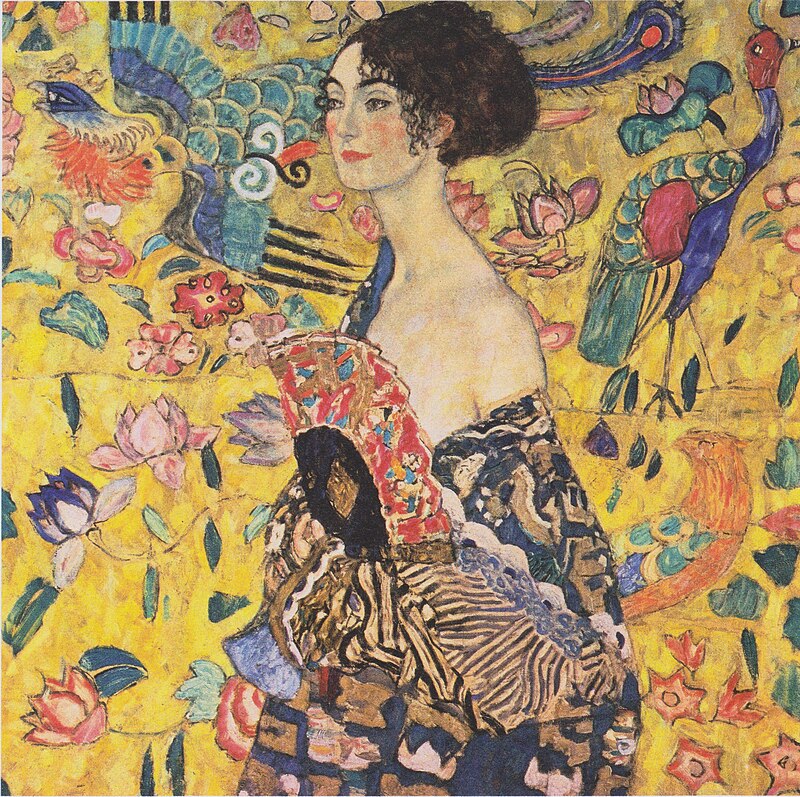
That is until last Tuesday evening (Nov 18th 2025) when he achieved instant fame when his Gustav Klimt masterpiece painting sold for $236.4 million at Sotheby’s in New York – thus setting a new auction record for the turn of the 20th-century Viennese artist, and simultaneously making it now the most expensive work ever sold at Sotheby’s and the most expensive Modern artwork ever sold at auction.

Man in formal suit and tie.
Leonard Lauder

The family business that brought the wealth to enable Leonard Lauder to build one of the finest art collections of the late 20th century came from the world famous family business, founded by his mother in 1946.

Born Josephine Esther Mentzer in 1908, Estée Lauder was raised in Queens, New York, by her mother Rose, who was born in Sátoraljaújhely, Hungary, and her father Max, who was born in Pressburg (now Bratislava, Slovakia). The name Estée was a variation of her childhood nickname, Esty.

Estée first became interested in beauty as a young girl, when her uncle, a chemist, came to live with her family. He created velvety skin creams at home—first in the kitchen, then in a stable behind the family house, which they turned into a laboratory. From her uncle, Estée learnt how to formulate skin creams and expertly apply them to the skin. In the late 1920s, Estée met Joseph Lauter. After they married in 1930 and moved to Manhattan, the couple adopted the surname Lauder, correcting a misspelling that dated back to the time when Joseph’s father emigrated from Austria to the United States.

Estée began selling skin care and makeup in beauty salons, demonstrating her products on women while they were sitting under hair dryers. In 1946, she and Joseph officially launched the company, and a year later they landed their first major order—$800 worth of products from Saks Fifth Avenue.

Estée and Joseph raised their sons around the family business, which was often a topic of discussion at the family’s dinner table. Leonard A. Lauder (1933-2025) and Ronald S. Lauder (born 1944) would both go on to join the company, leading its growth with an eye for innovation. Today, three generations of the Lauder family have served the company in executive roles.

Leonard Lauder with his younger brother Ronald on his shoulders

As Chairman Emeritus of the Company, Leonard was deeply involved in the business and day-to-day operations until his death in June this year. He joined the company in the 1960’s which began a lifetime’s dedication to the family business and with the personal wealth it brought him, he was able to personally collect art and also support art institutions across the USA. Like many successful American business people he strived throughout his life to give back to his country as much as it had given him and his family in opportunities.

When asked about his collection he famously said, “People often ask me which is my favourite picture. I can talk to you about any picture in my collection hanging on any wall and if I’m near it, that’s my favourite picture. You have to train your eye, train your mind and the more you see the more you are able to see, so you have to study art, work hard and enjoy it all”.

Leonard was a particularly important and significant supporter of the Whitney Museum of American Art in New York. He was Chairman and a trustee from 1977 to 2011. During this time he was one of the Museum’s most significant benefactors—including a milestone gift of $131 million in 2008 from The American Contemporary Art Foundation, Inc., of which he was President. Lauder championed the Museum’s collection over the course of the last four decades. Since 1975, he helped the Museum acquire 948 works of art, 760 of which he gifted personally; an additional 188 were brought in with the assistance of acquisition committees and other generous collectors. His dedication to building museum collections also extended beyond the Whitney. He generously promised a major collection to the Museum of Fine Arts, Boston, and in 2013 he pledged on his death an extraordinary gift of seventy-eight Cubist masterworks by Pablo Picasso, Georges Braque, Juan Gris, and Fernand Léger to the Metropolitan Museum of Art which they have now received.

Estee with Leonard (right) and Ronald

Leonard Lauder was a teacher, a steward, and a generous New Yorker, he redefined what it means to be a patron of the arts.

The core of the collection was offered in a standalone 24-lot gala evening sale on Tuesday 18th November 2025, marking the inaugural auction at Sotheby’s new headquarters building on Madison Avenue New York, previously the site of the Whitney Museum. The room was packed to the rafters and the sale was led by one of the finest and most intricately conceived of the celebrated full-length portraits Klimt created during Vienna’s early 20th century Golden Age. Depicting the young Elisabeth Lederer, the daughter of Klimt’s greatest patrons, the painting has never before appeared at auction.

Bildnis Elisabeth Lederer (Portrait of Elisabeth Lederer). Estimate $150 million Sold for $236.4 Million.

The pre sale estimate was not published in the catalogue but ‘available on request’ and rumoured to be in the region of $150 million. The bidding on this masterwork lasted for about 20 minutes, the auctioneer, Oliver Barker, opened the action at $130 million, and the price climbed steadily by intervals of $2 million, then $5 million.

The fight slowed as the price approached $170 million, but eventually Sotheby’s staffer David Galperin came in at $171 million with a surprise bid and then a three-way battle was joined and there were six bidders in total.

When the price reached $200 million, applause erupted and a Sotheby’s staffer on the phone won with his final bid which with buyer’s premium was $236.4 million.

Complementing the portrait were two signature square-format landscape paintings of Attersee, Klimt’s beloved summer retreat: Blumenwiese, a jewel-like mosaic of wildflowers from 1908, and Waldabhang bei Unterach in Attersee of 1916, painted with the broader, lyrical touch of Klimt’s mature style. These works, too, have never been available at auction. It is truly exceptional to see perhaps one major Klimt painting in a year so to have three in one auction is truly extraordinary.

Gustav Klimt Waldabhang bei Unterach am Attersee (Forest Slope in Unterach on the Attersee). Estimate $49 million. Sold price $68.32 million.
Gustav Klimt Blumenwiese (Blooming Meadow)
Gustav Klimt Blumenwiese (Blooming Meadow). Estimate $50 million Sold $86 million.

Also unprecedented is the offering of six iconic sculptures by Henri Matisse. Major works by Edvard Munch, Pablo Picasso, Agnes Martin, Claes Oldenberg and Coosje van Bruggen, among others, reveal the full sweep of Mr. Lauder’s peerless eye. This exceptional collection, shines a new light on the full breadth of Mr. Lauder’s far-ranging connoisseurship.

Summary of results

Sotheby’s had already guaranteed the final price for the collection leaving them on the hook for some $400 million, according to market sources. In the weeks leading up to the auction, it had sought an investor(s) willing to place irrevocable bids on the three Klimt paintings, jointly valued at $300 million. Just 10 hours before the auction, Sotheby’s online catalog didn’t have any symbols signifying that it had succeeded in finding backers for the works, however by 9 a.m. on the day of the sale symbols had appeared alongside all but six of the lower-value lots in the sale…the final total for the evening was a shade over $700 million…phew!

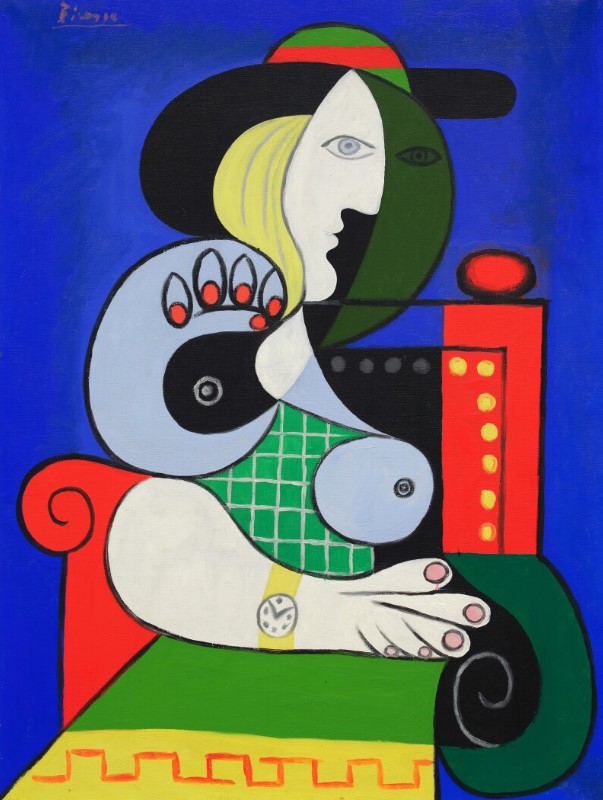
Pablo Picasso La Minotauromachie. Estimate $1.2-1.8 million Sold $2,063,000.
Pablo Picasso La Minotauromachie. Estimate $1.2-1.8 million. Sold $2,063,000.
Edvard Munch Sankthansnatt (Midsummer Night). Estimate $20-30 million. Sold -$35,110,000
Edvard Munch Sankthansnatt (Midsummer Night). Estimate $20-30 million. Sold $35,110,000
Henri Matisse Figure décorative. Estimate $12-18 Million. Sold $16,710,000.
Vincent Van Gogh Le Semeur dans un champ de blé au soleil couchant. Estimate $8-10 million. Sold $11,155,000

While the results of auction sales are always fascinating and relevant to the Art Market as a whole, remember that they represent a price achieved on the day and at the time of the auction and only that. Therefore, as soon as is practical it’s important to add your new purchases to your existing insurance valuation and to of course to review your whole insurance valuation on a regular basis.

Asian Museums

Chinese Highlights Across North America

This summer, I spent two weeks visiting seven museums across Canada and the US: Casa Loma, the Royal Ontario Museum, and the Niagara-on-the-Lake Museum in Canada, the Detroit Institute of Arts and the Cranbrook Art Museum in Michigan, and the de Young Museum and the Asian Art Museum in California.

Having spent my childhood in the Detroit and San Francisco areas, I had visited these local museums many times over the years, but enjoyed exploring the Canadian museums for the first time. The ROM was especially a delight for its extensive Chinese collections and the inclusion of the only complete Ming Dynasty tomb outside of China. As an Asian antiques specialist, I am biased in favoring the substantial Asian art collections at the Royal Ontario Museum, the DIA, and the Asian Art Museum. There are too many Chinese highlights across the museums to discuss here, so I will share three favorites from the ROM and the Asian Art Museum.

Although blue-and-white porcelain carries a global appeal and is widely considered the most popular type of Chinese ceramics, I have always had a soft spot for red-and-white porcelain, which I feel is often overlooked for its more mainstream counterpart (I am definitely in the minority on this one!). At the ROM, I saw a gorgeous Qianlong red-and-white cong vase (a rectangular vase with a round interior). The cong shape is archaistic, paying homage to Neolithic Chinese ritual bronzes and jades. The Qianlong period, when this vase was made, saw a large production of Neolithic shape revivals. The ROM vase displays auspicious motifs on each side, including bats, clouds, and archaistic geometric patterns. While Neolithic cong vases were created for ritual use, Qing versions were decorative. Authentic Qianlong comparables are extremely valuable, with sales in the 75,000 GBP – 100,000+ GBP range, but for collectors with smaller budgets, there are later Qing options available made for the export market (which are still antiques), selling for roughly 1,000 GBP – 2,000 GBP.

A Qianlong red-and-white cong vase at the ROM, dimensions unknown. Photograph by Ashley Innes.

While at the ROM, I was absolutely smitten with a Ming rooftile I found in the shape of a celestial attendant with a fishtail (similar to a mermaid). The ROM has an impressive collection of Ming sancai wares (sancai means “three colors” and is a ceramic painting technique dating to the Tang Dynasty) and an entire wall dedicated to temple rooftiles. The market for sancai rooftiles is not very strong at the moment, often selling for under 2,000 GBP, making them an accessible entry point for novice Chinese ceramics collectors.

A sancai earthenware rooftile, 17th-18th century, in the shape of a mermaid at the ROM, dimensions unknown. Photograph by Ashley Innes.

I would be remiss to write an article covering the Asian Art Museum without acknowledging (what is in my humble opinion) the museum’s most prized object: China’s earliest known Buddha sculpture, commissioned by a Chinese monk in Hebei during the Later Zhao period (319 – 351 CE). Dated 338 CE, this gilt bronze sculpture captures a significant moment in Buddhist history. The Buddha sits in a meditative pose on a large base, with folded hands in his lap and a serene expression. He shows strong Gandharan influences, including Graeco-Roman style robes and a tall topknot ushnisha (instead of the later spiked ushnisha, which would later become more common in East and Southeast Asia), features that would have reached China via the Silk Road. Yet, his physiognomy and style of hands are distinctly Chinese, signaling a diversion from Buddhism’s Indian origins and the establishing traces of China’s own Buddhist tradition. As this is the earliest known Chinese Buddha, there are no direct comparables on the market. For interested collectors, there are a handful of slightly later Buddhas available in a similar style, but these are still rare on the market.

If you’re traveling in North America this summer, museums in Ontario, Detroit, and San Francisco have plenty of Asian art to offer. I’m looking forward to my next visit!

A gilded bronze Buddha, 338 CE, 15.75” high at the Asian Art Museum. Photograph by the Asian Art Museum.
Autumn Exhibitions

The Art World This Autumn: 2025’s Must-See Exhibitions

As Autumn begins to draw in, a whole new season of fantastic exhibitions are commencing across the country. Our team of specialists have selected the events on the art calendar that are not to be missed!

Dame Tracey Emin posing as Frida Kahlo in Mary McCartney's photograph, part of a new exhibition at the Pallant House Gallery in Chichester.

David Dallas, Old Master Specialist

Seeing Each Other : Portraits of Artists

Pallant House, Chichester, running until 2nd November

“I am looking forward to this exhibition at Pallant House, exploring the relationships that have shaped the last 120 years of British Art, through 150 portraits that capture the gaze between creative peers. Featuring over 80 artists including Lucian Freud, Lubaina Himid, David Hockney, Lee Miller, Eric Ravilious, Paula Rego and many more.”

Liz Bailey – Jewellery, Silver & Watches Specialist

Marie Antoinette Style, V&A Museum.
Running from 20th September 2025 until 22nd March 2026

“I’m really looking forward to the V&A’s Marie Antoinette exhibition, the first UK exhibition devoted to the French queen, featuring 250 objects, many of which have never been shown outside of France. Naturally, included in the exhibition are some incredible court dress and jewels – including a natural pearl and diamond ribbon brooch, pictured right, which sold at Sotheby’s in 2018 for $36 million, as well as the Sutherland necklace (pictured left) purportedly the cause of the ‘Affair of the Diamond Necklace,’ which did irreparable damage to the French Queen’s reputation.”

From Function to Fantasy: The Brooch from 1200BCE to the Contemporary. Wartski
Running from 1st-12th October, 10:30am until 5pm

“Another exhibition I am excited to attend is held by Wartski – focussing on the brooch. With loans from establishments such as the Victoria & Albert Museum, the Goldsmiths Company, the National Trust, and the Fitzwilliam Museum to name a couple, this exhibition will showcase pieces from the Bronze age up until the present day.”

Marie Antoinette Style, V&A Museum.
From Function to Fantasy: The Brooch from 1200BCE to the Contemporary. Wartski
Asian Art in London
Asian Art in London

Ashley Innes, Asian Art Specialist

Asian Art in London
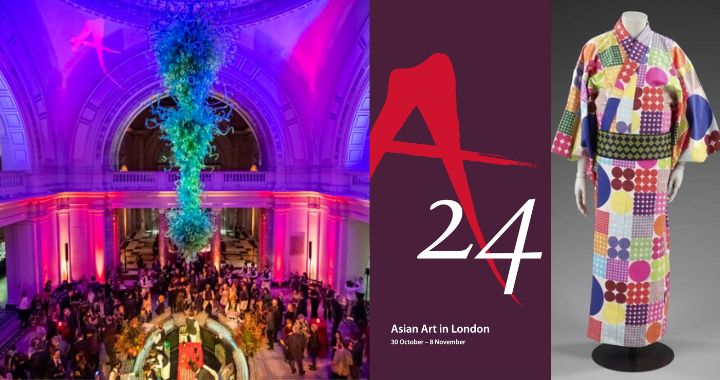
27th October – 6th November 2025.

“Asian Art in London is coming up this October. There will be exhibitions, lectures, and events across London with galleries from all over the world, representing antique and contemporary art from Asia and from throughout the Asian diaspora.”

Stephanie Connell – Senior Valuer & Collectibles Specialist

William Kentridge: The Pull of Gravity
Yorkshire Sculpture Park, running until 19th April 2026

“I will definitely be paying a visit to the Yorkshire Sculpture Park this autumn, to see William Kentridge’s work. I love his work, having first seen a major exhibition of his work in Cape Town.”

William Kentridge: The Pull of Gravity
Edward Burra Red Peppers
Grayson Perry - Delusions of Grandeur

Jonathan Horwich – Modern & Contemporary Art Specialist

Edward Burra & Ithell Colquhoun
Tickets include entry to the Ithell Colquhoun exhibition. Tate Britain. Running until 19th October.

“Tate Britain is hosting a brilliant pairing of two major modern British artists you might not have heard of, Edward Burra and Ithell Colqhoun. Edward Burra is best known for his depiction of the Harlem scene of the 1930s, and Ithell Colquhoun was a surrealist artist also working in this decade. Nearly a century later, the two artists are exhibited side by side at the Tate.”

Grayson Perry: Delusions of Grandeur.
Wallace Collection. Running until 26th October.

“One more pick, the outrageous Grayson Perry in ‘Delusions of Grandeur’ at the Wallace collection, on now and it runs to October 26th.”

Whether your autumn takes you north to Yorkshire or keeps you in the capital, there’s no shortage of exceptional exhibitions to explore. 

A-List Artists

A-List Artists: Stars Who Paint, Sculpt and Create

What is it with celebrities these days? They no longer seem happy to stay in their well-trodden, well paid, glamorous lanes? Is it not enough to simply be the international movie star or pop royalty we know them to be? Seemingly not. Increasingly, A-List artists have been emerging from the shadows eager to show the world their talents as independent artists and sculptors – and not simply amateur ones it at that, but often accomplished artists in their own right who feel the time is now right for them to show their hitherto hidden talents to the world.

The combination of celebrity and art is certainly not new – it’s been around as long as there has been popular culture, however, the pairing normally revolved around the images of celebrities, rather than artwork they created themselves. Bert Stern’s ethereal images of Marilyn Monroe in The Last Sitting and Andy Warhol’s screen-prints of the star have been responsible for how the public views Marilyn – they have become an integral part of her visual legacy. Similarly, photographers such as Bob Willoughby, John Florea, Ron Galella and Terry O’Neill both documented and promoted the image of the Rat Pack and Hollywood royalty at its most glamorous height. These black and white photographs of celebrities at work and at play are arguably more popular today than when they were taken due to very successful commercial exploitation of photographic archives issuing photographs in a dizzying combination of sizes and edition numbers.

The modern cult of celebrity has definitely moved on since the golden age of showbiz, the carefully contrived, Hollywood images of stars are no longer enough for audiences who want to see a more complete picture of their heroes, to see what makes them tick behind the scenes. In this context, the fact that celebrities are increasingly confident to show their backstory and their other interests makes perfect sense. It also shouldn’t surprise us that these celebrities are multi-dimensional and multi-talented in various creative areas.

Below is a survey of 16 of the most famous celebrity artists, some of whom may know also as artists, but others perhaps not!

Pierce Brosnan

Pierce Brosnan’s journey into visual art began as a way to unwind between acting roles, but his abstract and colourful works have since gained acclaim. His paintings often reflect his Irish heritage and personal experiences, and he has auctioned several pieces for charitable causes. Brosnan’s use of vivid colour and dynamic brushstrokes creates an emotional impact, with works like Earplugs becoming standout pieces in his portfolio.

Pearce Brosnan - Anthony Bourdain - A-List Artists
Pearce Brosnan - Anthony Bourdain
Pearce Brosnan - Earplugs

David Bowie

David Bowie’s artistic prowess extended far beyond music. His paintings, characterised by abstract and expressionist styles, often explored themes of identity, alienation, and transformation – concepts central to his music and era-defining personas. Bowie painted prolifically in the 1970s and 1980s and experimented with mixed media and screen-printing later in his career. His DHEAD series, which features distorted portraits, remains a standout body of work.

David Bowie - The DHEADS Series
David Bowie - The Rape of Bigarscho
David Bowie 1 - Child in Berlin
David Bowie - Child in Berlin

Jim Carrey

Jim Carrey’s politically charged paintings and satirical cartoons have garnered widespread attention. His large-scale works feature bold, expressive brushstrokes and vivid colours, often commenting on current events and figures. Carrey’s art has been displayed in galleries and shared extensively on social media, revealing his passion for activism through creativity.

Jim Carrey - Electric Jesus - A-List Artists
Jim Carrey - Electric Jesus

Johnny Depp

Johnny Depp’s art career exploded with his Friends & Heroes series, where he painted pop art-style portraits of famous figures like Bob Dylan and Elizabeth Taylor. The vibrant, layered colours and dramatic brushstrokes give his work an electrifying quality. Depp’s limited-edition prints sold out within hours, proving his appeal extends far beyond the silver screen. Johnny has a highly lucrative deal with Castle Galleries in the UK who also represent Bob Dylan.

Johnny Depp with his Friends & Heroes collection
Johnny Depp - Bob Dylan

Bob Dylan

The iconic singer-songwriter and Nobel Prize winner, Bob Dylan, has spent decades creating visual art alongside his music career. His paintings and sketches are deeply rooted in American landscapes and culture, often depicting scenes of everyday life with a sense of nostalgia. Dylan’s work has been showcased in galleries worldwide, including London’s Halcyon Gallery. Arguably his most celebrated series is The Beaten Path – a collection of screenprints and watercolours depicting and unfolding portrait of the American landscape. Through sketches, watercolours and acrylics, Dylan plots a visual journey across the United States, finding beauty in the overlooked locations that form the backdrop of daily life for most citizens.

Bob Dylan - Beaten Path

James Franco

James Franco’s multimedia art spans painting, film, and installation. His work often interrogates themes of celebrity culture, identity, and perception. Pieces like those in his New Film Stills series reimagine Cindy Sherman’s iconic work, questioning the roles of gender and fame.

James Franco - Hospital
James Franco - Palo Alto Knights

Dennis Hopper

Dennis Hopper’s artistry spanned photography, painting, and sculpture, with his work capturing the countercultural zeitgeist of the 1960s and 1970s. His black-and-white photography, particularly, provides an intimate glimpse into the era’s art, music, and political movements. Hopper’s paintings often feature abstract forms and bold colours, echoing his experimental approach to filmmaking.

Dennis Hopper - Double Standard
Dennis Hopper - Newspapers and Streamers

Jemima Kirke

Known for her role on Girls, Jemima Kirke is also a talented painter, producing figurative works that explore themes of femininity and intimacy. Her oil paintings, often of women in domestic settings, exude a quiet vulnerability. Kirke’s exhibitions have been praised for their emotional depth and technical skill.

Lucy Liu

Lucy Liu’s expressive paintings and sculptures draw on themes of identity, femininity, and cultural heritage. Her abstract works feature vibrant colours and intricate textures, while her sculptural pieces often incorporate found objects. Liu’s exhibitions, including shows at the National Museum of Singapore, have earned her significant acclaim.

Lucy Liu - A-List Artists
Lucy Liu

Yoko Ono

Yoko Ono’s conceptual art is widely recognised for its innovative and interactive nature. From her groundbreaking Cut Piece performance to her instructional art books and installations, Ono has made a profound impact on the art world. Her works often revolve around themes of peace, connection, and healing, aligning with her advocacy for social justice. In 2019 Ono exhibited her powerful interactive installation, Add Color (Refugee Boat) to significant critical acclaim.

Yoko Ono - Refugee Boat Installation

Brad Pitt

Brad Pitt’s venture into sculpture has received significant attention, particularly after his participation in an exhibition at Finland’s Sara Hildén Art Museum. His abstract sculptures, which often utilise raw, natural materials, explore themes of form, vulnerability, and decay. Pitt’s artistic endeavours demonstrate his deep interest in tactile, hands-on creativity.

Brad Pitt - Aiming At You I Saw Me But It Was Too Late This Time at the Sara Hildén Art Museum in Finland

Keith Richards

The legendary Rolling Stones guitarist Keith Richards is less prolific than his bandmate Ronnie Wood but is an avid drawer and sketcher. Richards’ work often includes personal motifs, such as sketches of guitars, cigarettes, and moments from his life. His loose, expressive linework mirrors his raw, unapologetic approach to music.

Keith Richards
Keith Richards

Silvester Stallone

Although he is lesser known as a painter, the Stallone has had been working quietly for decades as an artist – in fact he is on record as thinking he is a better artist than actor. He has had his expressionistic work exhibited in museums like the Nice Museum of Contemporary Art in France, and his paintings have been sold commercially in galleries and auctions. Billionaire art collector Steve Wynn has one of the “Rambo” star’s “Rocky” paintings in his collection at his Las Vegas casino

Before “Rocky” won the Oscar for best picture in 1977, Stallone painted a portrait of a boxer that was his inspiration to write the screenplay. He was also nominated that year for an Academy Award for his writing and acting. ‘I made a self-portrait with a more defined ‘pug face’ than I had back then, but to capture his sadness, I switched the brush with a screwdriver and carved the eyes,’ he said in 2021 of the “Rocky” painting.

On his Stallone Artwork Instagram page he wrote, “I painted this in 1974, before I wrote the script for Rocky, because I wanted to have a mental image of him in my mind, so this is the way I pictured him at the time…The eyes tell the story…”. Stallone told the outlet he was inspired by idolized figures like Hercules. “Both in art and film, I looked at figures like Spartacus or Hercules who radiated hyper-reality through their hyper-masculinity,” he said.

Silvester Stallone - Buzz Me at 10 O'clock 2005
Silvester Stallone - Finding Rocky - Huge

Ringo Starr

Ringo Starr’s visual art takes a colourful, whimsical approach, showcasing his playful personality. Initially dabbling in drawing during downtime on tour, Starr eventually embraced digital art. His works include bold, childlike designs and quirky portraits that reflect his sense of humour, which Starr sells limited-edition prints of his work to benefit charity.

Ringo Starr - The Clown
Ringo Starr - The Band

Pharrell Williams

Pharrell Williams blends his love of music, fashion, and art through collaborative projects with visual artists. His work often includes installations and sculptures, such as the vibrant, oversized chairs he designed for Galerie Perrotin. Williams’ art embodies his playful and innovative approach to creativity.

Pharell Williams - Perspective Chair

Ronnie Wood

Ronnie Wood, guitarist of The Rolling Stones, has been painting for most of his life. His artworks are vibrant and energetic, reflecting the dynamism of his music career. Wood frequently creates portraits of his bandmates, other musicians, and scenes from his life on tour. His lithographs, especially of Mick Jagger and Keith Richards, are among his most popular works. His work has been exhibited in galleries globally, cementing his status as both a musician and a visual artist.

Ronnie Wood - Ray Charles, 2010
Ronnie Wood - Mick with Maracas

Rubens with Jokes: The World According to Beryl Cook

In the Pantheon of popular British artists of the 20th century in which I include Helen Bradley and L S Lowry, Beryl Cook (1926 – 2008) stands out for so many reasons. Not only because despite being entirely self taught, she was a commercially savvy and successful artist, but also for her vibrant and humorous approach to her subject matter. She painted ordinary people like you and me or others we know and love, having fun with friends and family and living their best lives.

Tom Dancing. Sold at auction in 2007 for £24,000. Insurance value would be around £50,000.

Biography & Beginnings

Born, Beryl Francis Lansley in Egham, Surrey, on 10 September 1926, she left school at 14 and held various jobs in and around London, including working as a showgirl and also in fashion—experiences that later influenced her keen observation of style and human behaviour.

In the early 1950s, after marrying and moving to Southern Rhodesia (now Zimbabwe), she painted her first picture using her son’s paintbox. Upon returning to England in the 1960s, she settled in Plymouth. By now in her 40’s Beryl took on art as her full time career, she rolled up her sleeves and began painting furiously and seriously—often on whatever surfaces were at hand!

Elvira’s Cafe. Sold at auction in 2022 for £65,000.The insurance value would be around £140,000

Her first exhibition in 1975 at Plymouth Arts Centre was a breakout success, boosted by features in the Sunday Times Magazine and leading to continuous exhibitions at London’s Portal Gallery spanning 32 years. In the early 90’s her work began making an impact on the auction market with her by then very recognisable paintings making between £3,000-6,000. These days her pictures can make well over ten times as much as this, the current auction record stands at £82,000 for one of her signature works, ‘Elvira’s Café’ which sold in a London auction in 2022, when it left its £12,000-18,000 pre-sale estimate way behind!

‘Packing the car’. Sold at auction in 2004 for £18,000. Insurance value would be £40,000.

Artistic Style & Themes

Cook remarkably created over 500 paintings during her career all in her own unique style that owes nothing to any existing Schools of Art or artistic movements, to anyone else this would have presented them with difficulties, however in Beryl’s world everybody she saw was potential subject matter.

‘Hen Night’. Sold at auction in 2024 for £25,000. Insurance value would be £45,000.

Many of us may be quite familiar with her style without realising it, her work is published widely and once seen is instantly recognisable afterwards with her exaggerated, rounded figures, painted in bold and bright oil colours, scenes of everyday social life—pubs, clubs, hen nights, weddings, parties, holidays—all convey a familiar warmth, humour, and humanity. Described playfully by comedian Victoria Wood as “Rubens with jokes,” her work mixes generous forms with playful satire, celebrating life through accessible, often cheekily amusing compositions.

Private View. Sold at auction in 2002 for £19,000. Insurance value would be £45,000.

Early opinions on her work from critics largely viewed her subjects as populist and kitsch, however these views are hastily being reassessed for today’s more enlightened views and her paintings of working class women are now seen as empowering and celebratory.

Legacy & Recognition

Beryl was awarded an OBE in 1995 for services to art, and her work hangs in major UK collections and institutions, including Plymouth’s The Box, Bristol and Glasgow museums, and has featured in retrospective exhibitions at the Baltic in Gateshead (2007), Bristol (2008), and Plymouth (2017).

The Vicar’s Tea Party. Sold at auction in 2008 for £25,500. Insurance value would be £65,000.

International exposure came later, with two major US exhibitions in New York and LA under the title Beryl Cook Takes New York/L.A., bringing her colourful subjects illustrating her view of life and people in LA and New York.

In 2024, Studio Voltaire in London hosted a dialogue style exhibition pairing her work with artist Tom of Finland, exploring themes of gender, class, sexuality, and pleasure. The gallery launched a public appeal to locate original works held in private collections for the show.

The red umbrella. Sold at auction in 2022 for £30,000. Insurance value would be £65,000.
The Red Umbrella. Sold at auction in 2022 for £30,000. Insurance value would be £65,000.

A major exhibition of previously unseen and cherished works is set for Plymouth in January 2026 at The Box, giving new attention to her contributions and personal archive including letters and private reflections

Cook captured ordinary people enjoying themselves with empathy and vivacity. Her work transcends class and culture by focusing on universal themes of camaraderie, celebration, and everyday joy. Despite being largely ignored by the art establishment in her day, her legacy continues through exhibitions, reproductions, and cultural reappraisals that stretch beyond the UK.

Café in Los Angeles. Sold at auction in 2019 for £28,000. Insurance value would be £58,000.

Her playful yet generous vision of humanity remains impactful—and more relevant now as institutions reevaluate the power of “popular” art to reflect and empower everyday life. Thanks to a late blooming passion and unfiltered eye for life’s quirks, Beryl Cook turned vibrant, affectionate snapshots of ordinary people into a truly celebratory art legacy.

To arrange an art valuation, all us on 01883 722736 or email us at [email protected]

Curating a Nation: The Art of the Scottish Parliament

The original Parliament of Scotland (Estates of Scotland) existed from the early 13th century right up until 1707. Following The Acts of Union 1707, the Kingdom of Great Britain was formed, the Parliament of Scotland closed, and a Parliament of Great Britain was created.

Fast forward through many turbulent years and the first elections for the Scottish Parliament were held on 6 May 1999.

The Scottish Parliament

On 1 July 1999, the Scottish Parliament was officially opened by Her Majesty The Queen and was awarded its full law-making powers, and a competition was launched to design a new building. This was ultimately won by Spanish architect the late Enric Miralles, with his firm EMBT, in collaboration with RMJM and Ove Arup & Partners.

The completion of the Scottish parliament in the Autumn of 2004 brought excitement, anticipation and pride to Edinburgh and the rest of Scotland, representing power and debate north of the border.

The building is an arresting example of contemporary architecture, situated in Holyrood Park at the foot of Arthurs Seat and opposite Holyrood Palace. Taking inspiration from not only the immediately surrounding landscape but further afield, the ponds to the front concourse representing the lochs of Scotland.

The interior is an eye-catching mix of granite, oak and glass, bringing in shafts of light to this remarkable space. Not only the perfect location for debating the important issues of Scotland but a perfect backdrop to showcase a wide range of artistic talent.

The Scottish Parliament

Entering the large reception my eye was drawn to the Honours Regalia sculpture. Standing just over 50cm high this modern representation of the crown, sword and sceptre was commissioned by the Incorporation of Goldsmiths of The City of Edinburgh. Made by renowned silversmith the late Graham Stewart, it is part plated in 24ct gold and bears the distinct Edinburgh castle hallmark. Presented by Her Majesty The Queen at the opening of Holyrood in 2004 this deeply symbolic sculpture takes pride of place.

The Honours Regalia sculpture by Graham Stewart.

Moving round to the left is the striking installation ‘Psalmsong 2003’ by Alison Kinnaird. Mounted on the curved wall and beautifully lit, this atmospheric and haunting work represents the circle of life and requires more than one viewing!

‘Psalmsong 2003’ by Alison Kinnaird.

‘The Anchorites’ by Will Maclean is a symbolic and imaginative sculpture of a small boat on an unknown journey, viewed from above, alluding to early Celtic monks seeking isolated spots for meditation.

The central figurative shield shape contains male and female attributes alongside the basics for survival – corn, grinding stones and wood. Born in Inverness and inspired by Highland culture, the sea and emigration, Will Maclean studied at Gray’s School of Art after several years at sea.

Approaching the wide staircase the bright marine colours of Ian Hamilton Finlay’s deconstructed boat is striking against the plain concrete wall. Working in collaboration with Peter Grant, this is a humorous take on the over lapping boards which form the coble.

The original coble boat has its roots in Whitby, hence the registration number WY, but these flat-bottomed boats were also used to fish for salmon in Scotland.

‘The Anchorites’ by Will Maclean
Ian Hamilton Finlay’s deconstructed boat

Following the sweeping staircase, we come across ‘Quartet 1980’ by James Munro. Shining in the Scottish summer sun, this abstract steel sculpture represents the shadows cast by a quartet of musicians. Music played a large part in Munro’s life; he became an accomplished vibraphone and keyboard player following the post WWII jazz movement. The family had a large impact in arts and music in East Lothian. Today you can follow The Munro family Public Art Trail across East Lothian and Edinburgh.

‘Quartet 1980’ by James Munro.
‘Contemplace’, by George Ralston Wyllie, (1921-2012).

With reference to the distinctive forms of the furniture of Charles Rennie Mackintosh, the steel chair with its tall back sits above his playful interpretation of The Stone of Destiny.

Wyllie left his job as a Customs and Excise officer in Greenock in 1980 to study art and proclaimed himself to be a “scul?tor” as a result of him being unsure if he was an actual sculptor.

It’s evident that much knowledge and consideration went into the selection of the works to be displayed within The Scottish Parliament. It’s a dynamic and varied collection which truly represents the heritage of Scotland and the pride and traditions of its people.

For tours and general information see parliament.scot


To arrange a valuation of your items, call us on 01883 722736 or email us at [email protected]


The Scottish Colourists

The Scottish Colourists

I have a long list of personal artistic heroes from all eras, each is talented in their own ways however rare among my list of heroes are groups of artists. One notable and exceptional group of my ‘hero’ artists are the Scottish Colourists, all hugely talented individuals in their own right whose love of colour, light, form and the open air sing out from all of their pictures.

The Scottish Colourists were a group of four artists—Samuel John PeploeFrancis CadellGeorge Leslie Hunter, and John Duncan Fergusson—who all worked primarily in the early 20th century and are celebrated for bringing bold, modern European artistic influences into Scottish art. Though they were not a formal movement during their lifetimes, their work is now collectively recognised as a group of four and their work is admired by private collectors across the world for its vibrant palette, modernist approach, and synthesis of Scottish subject matter with the avant-garde styles of France.

The four drew heavily on French Impressionism, Fauvism, and Post-Impressionism art, particularly from the work of Manet, Cézanne and Matisse, the Colourists emphasised light, colour, and compositional clarity. Each artist had strong personal ties to France, where they absorbed the stylistic innovations of the Parisian art world, returning to Scotland with a fresh and radical aesthetic.

Francis Cadell – Artist Profile

  • Full Name: Francis Campbell Boileau Cadell
  • Birth: April 12, 1883, Edinburgh, Scotland
  • Death: December 6, 1937, Edinburgh, Scotland
Early Life & Family

Francis Cadell was born into a well-to-do, cultured Edinburgh family. His father, Dr. Francis Cadell, was a distinguished surgeon and Fellow of the Royal College of Surgeons of Edinburgh. His mother, Mary Hamilton Boileau, came from a family with military and aristocratic ties. Cadell was raised in a supportive environment that encouraged his artistic pursuits from an early age.

At just 16 years old, he moved to Paris to study at the prestigious Académie Julian, an experience that would shape his early style and expose him to the modernist developments then unfolding in France.

Education & Career

After Paris, Cadell continued his studies in Munich before settling back in Scotland. His career truly flourished in the years following World War I, during which he served in the army. His style matured into a distinctive blend of elegant modernism, defined by clean lines, vibrant but controlled colour, and a refined sense of composition.

Cadell was particularly associated with the New Town of Edinburgh and the Hebridean island of Iona, both of which featured prominently in his work. His paintings ranged from chic interiors and society portraits to luminous seascapes and landscapes.

Style & Legacy

Cadell’s work is known for its:

  • Bold yet harmonious colour palette
  • Strong decorative sense
  • Elegantly stylized compositions

He was deeply influenced by the French avant-garde, particularly Manet and Matisse, however he maintained a distinctly Scottish sensibility in his choice of subject matter.

Although he faced financial difficulties later in life and died in relative obscurity, Cadell’s reputation has since grown. Today, he is celebrated as one of the key figures in Scottish modern art and an integral member of the Scottish Colourists.

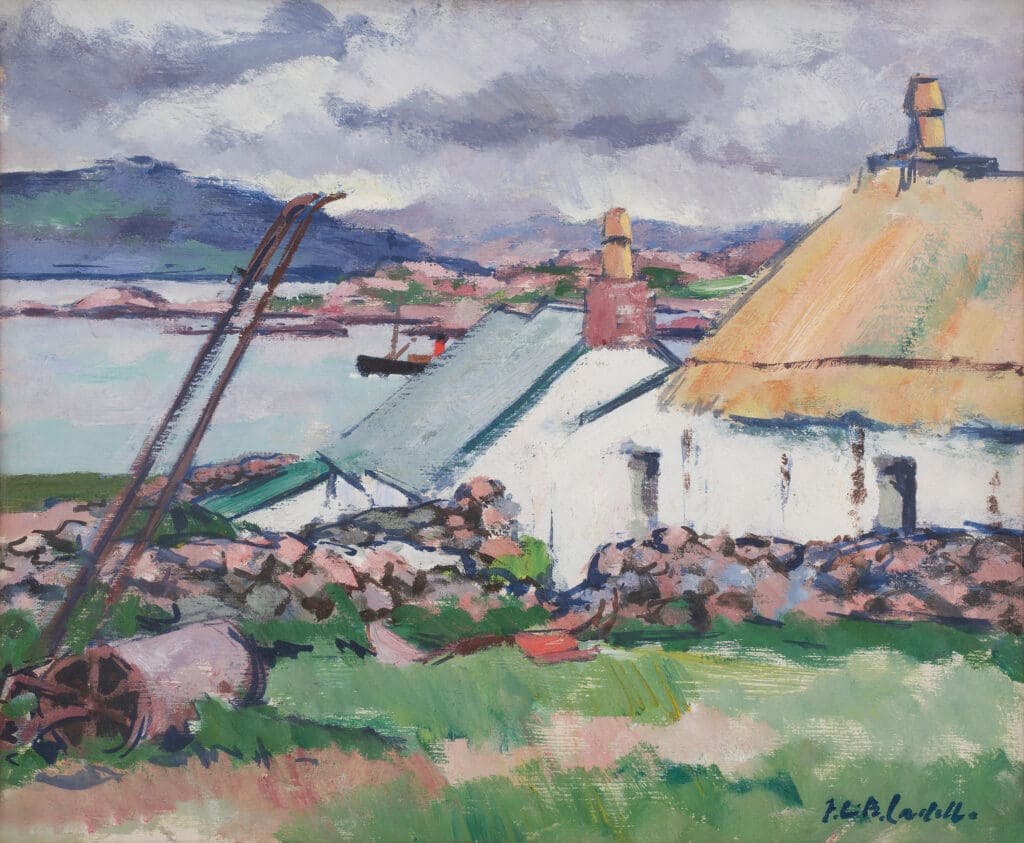
Francis Campbell Boileau Cadell RSA RSW (British, 1883-1937) An Old Croft, Iona
Francis Campbell Boileau Cadell RSA RSW (British, 1883-1937) An Old Croft, Iona. Sold at auction for £64,900 in 2015. I would suggest an insurance valuation of £150,000.
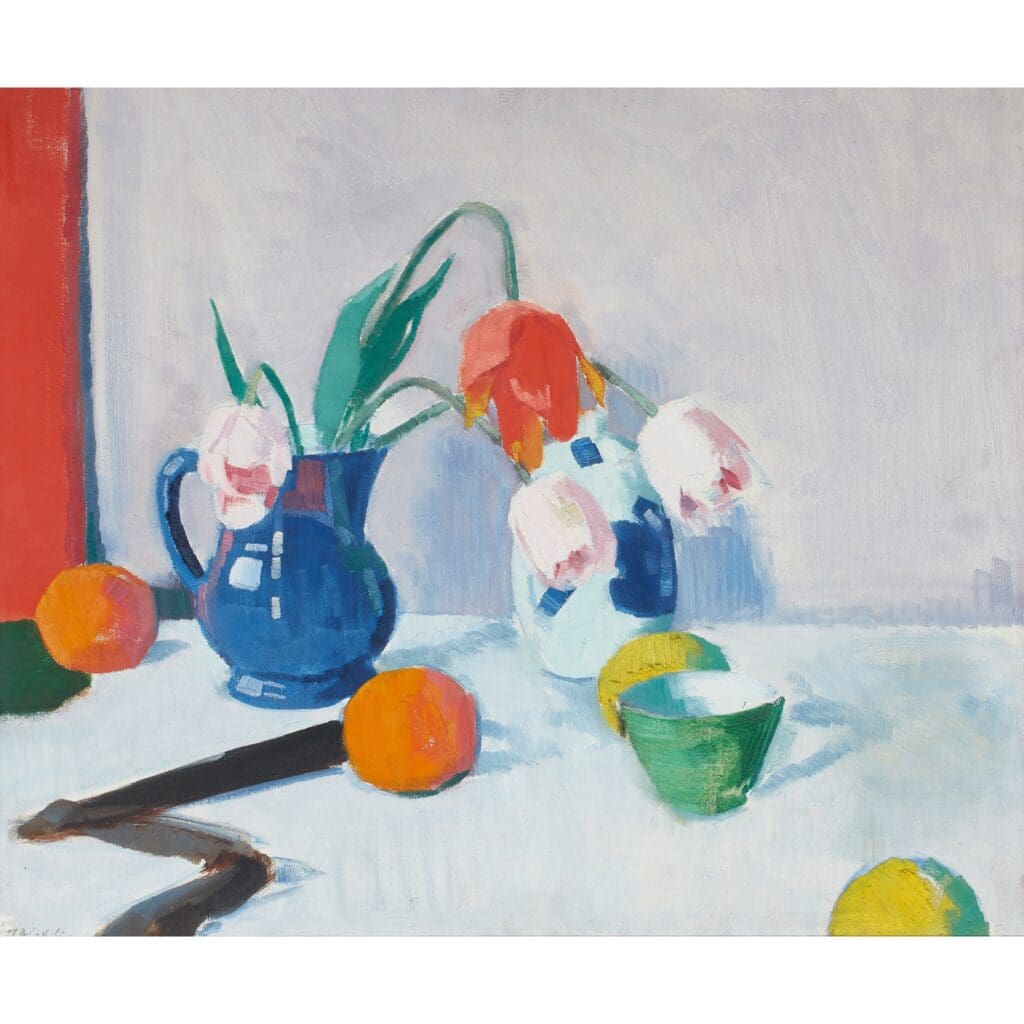
FRANCIS CAMPBELL BOILEAU CADELL R.S.A., R.S.W. (SCOTTISH 1883-1937) STILL LIFE WITH TULIPS
FRANCIS CAMPBELL BOILEAU CADELL R.S.A., R.S.W. (SCOTTISH 1883-1937) STILL LIFE WITH TULIPS. Sold for £724,500 at auction in 2023. I would suggest an insurance valuation of £1,200,000.
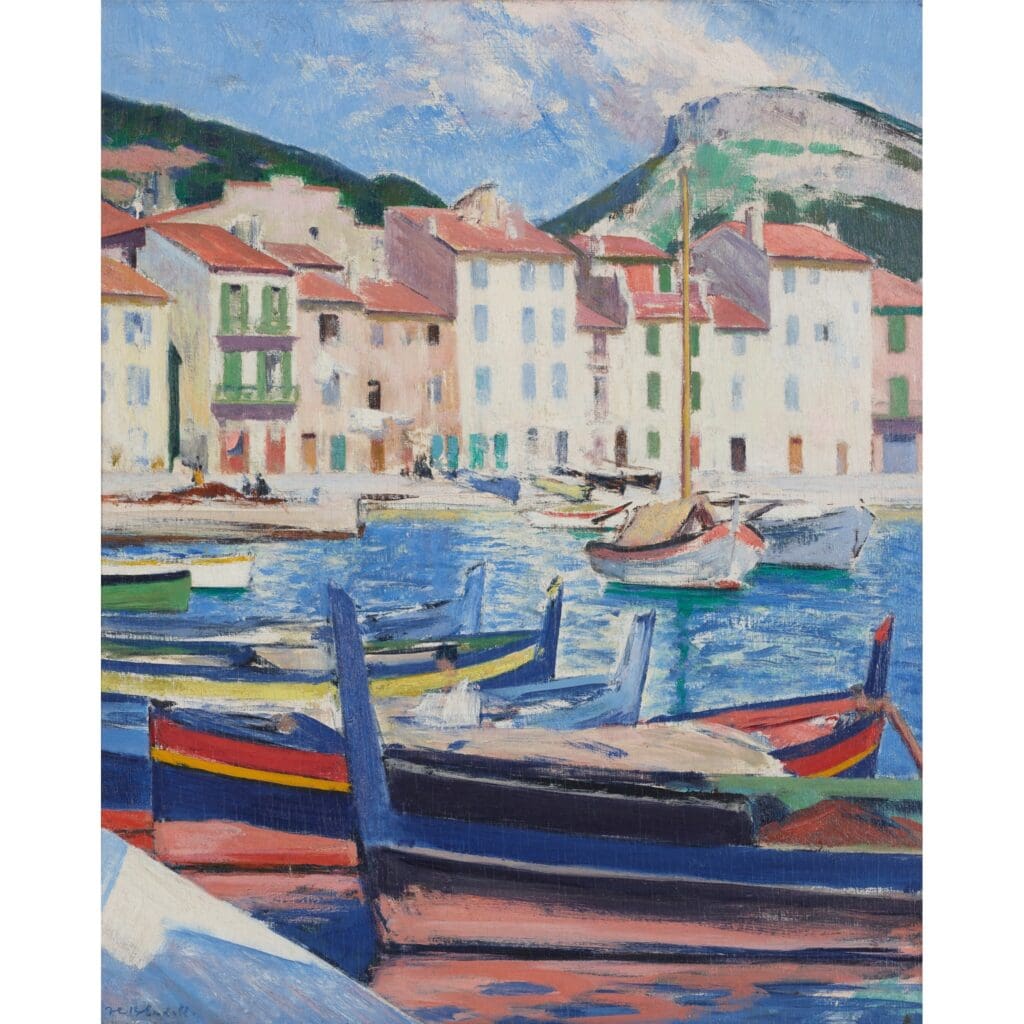
Francis Campbell Boileau Cadell CASSIS, LE PORT
Francis Campbell Boileau Cadell CASSIS, LE PORT. Sold for £287,700 at auction in 2023. I would suggest an insurance valuation of £475,000.
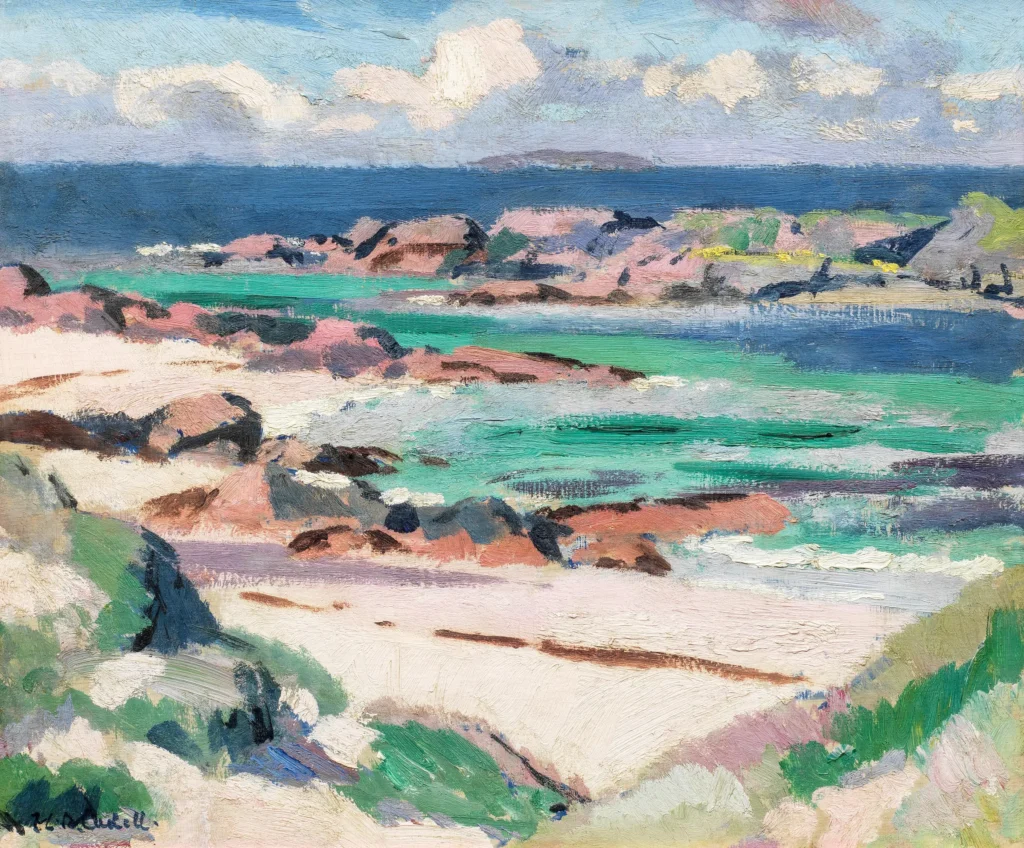
Francis Campbell Boileau Cadell RSA RSW (British, 1883-1937) Iona
Francis Campbell Boileau Cadell RSA RSW (British, 1883-1937) Iona. Sold for £44,800 at auction in 2025. I would suggest an insurance valuation of £95,000.

Samuel Peploe - Artist Profile

  • Full Name: Samuel John Peploe
  • Birth: January 27, 1871, Edinburgh, Scotland
  • Death: October 11, 1935, Edinburgh, Scotland
Early Life & Education

Samuel Peploe was born into a wealthy Edinburgh family. His father, Robert L. Peploe, was a successful banker, and the young Samuel was initially expected to carve out a professional career in law or banking. However, his artistic talent and passion for painting quickly became evident. After briefly studying law, Peploe chose instead to pursue art, enrolling first at the Trustees’ Academy in Edinburgh, and then continuing his training in Paris at the Académie Julian and later at the Académie Colarossi , also in Paris and run by the artist’s model and sculptor Filippo Colarossi.

While in Paris, Peploe was exposed to the then revolutionary work of the Impressionists and Post-Impressionists, particularly Édouard Manet, whose influence would echo throughout Peploe’s mature work.

Career Development

Peploe initially painted landscapes, portraits, and interiors, but found his distinctive voice in still-life painting. His early palette was quite restrained, characterised by tonal subtlety and a sense of quiet harmony.

By the 1910s and 1920s, Peploe had begun experimenting with bolder colour and tighter compositions, reflecting his deepening interest in Cézanne and Fauvism. His move toward high-keyed colour, simplified forms, and carefully balanced arrangements made his work instantly recognisable and marked a radical departure from the much more conservative narrative traditions of Scottish painting.

Peploe painted in France, particularly in Paris and on the coast of Brittany, he also worked extensively in Scotland, especially in the Hebrides, where he often painted alongside Francis Cadell.

Style and Technique

Peploe’s work is known for:

  • Vibrant colour and a bold, deliberate brushstroke
  • Carefully structured compositions, often with objects placed on crisp white tablecloths or against dramatic black backdrops
  • A modernist sensibility rooted in observation, yet transformed by formal abstraction

He is particularly celebrated for his still lifes—featuring flowers, fruit, ceramics, and drapery—which demonstrate his acute sensitivity to form, space, and light. He was not fully appreciated during his lifetime, however Peploe’s work gained greater recognition after his death. Today, he is widely regarded as one of the most significant Scottish artists of the 20th century. His paintings are held in major collections, including the Scottish National Gallery of Modern Art, and continue to be highly sought after by collectors.

Personal Life

Peploe married Margaret MacKay in 1910. The couple had one son, Denis Peploe, who also became a painter. Despite periods of financial hardship, particularly during World War I, Peploe remained dedicated to his artistic vision until his death in 1935.

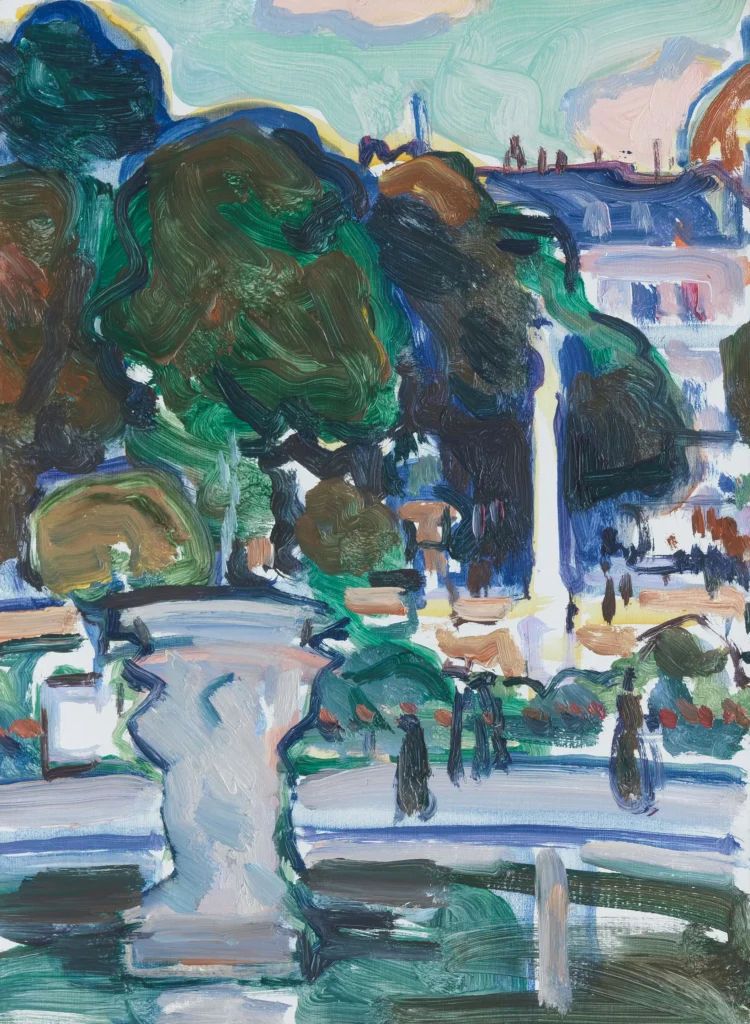
Samuel John Peploe RSA (British, 1871-1935) Luxembourg Gardens, Paris
Samuel John Peploe RSA (British, 1871-1935) Luxembourg Gardens, Paris. Sold for £76,600 at auction in 2024. I would suggest an insurance valuation of £125,000.
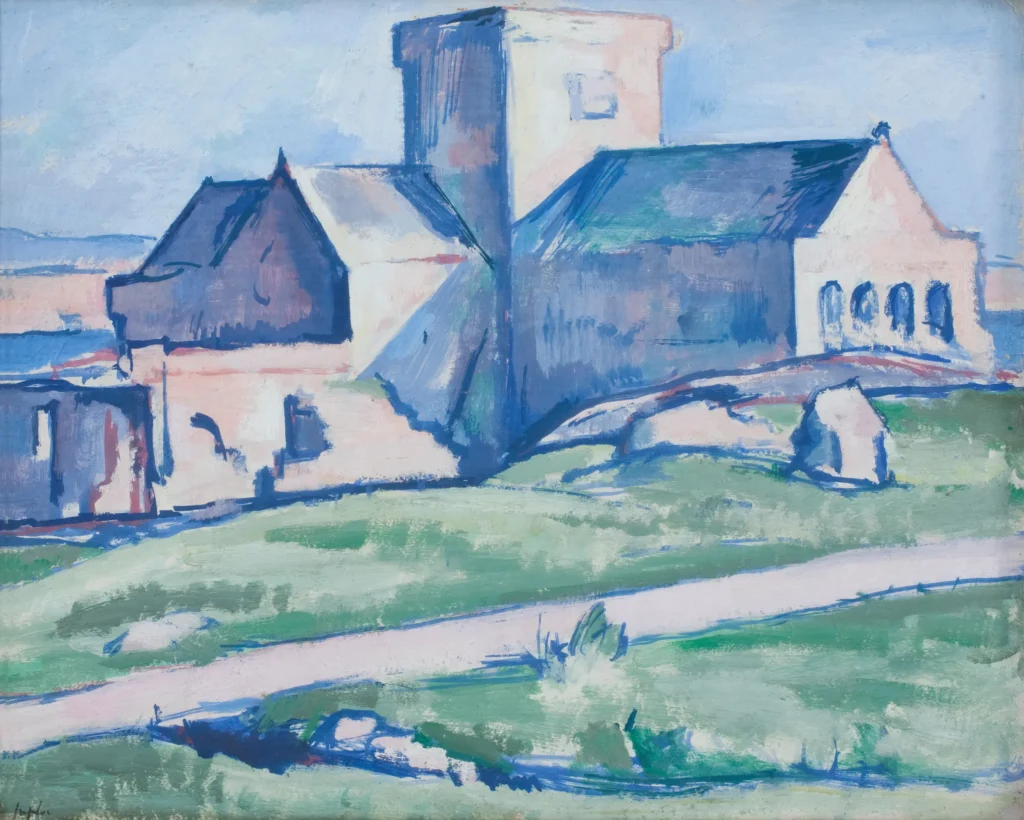
Samuel John Peploe RSA (British, 1871-1935) Iona Abbey
Samuel John Peploe RSA (British, 1871-1935) Iona Abbey. Sold for £50,000 for auction in 2016. I would suggest an insurance valuation of £95,000.
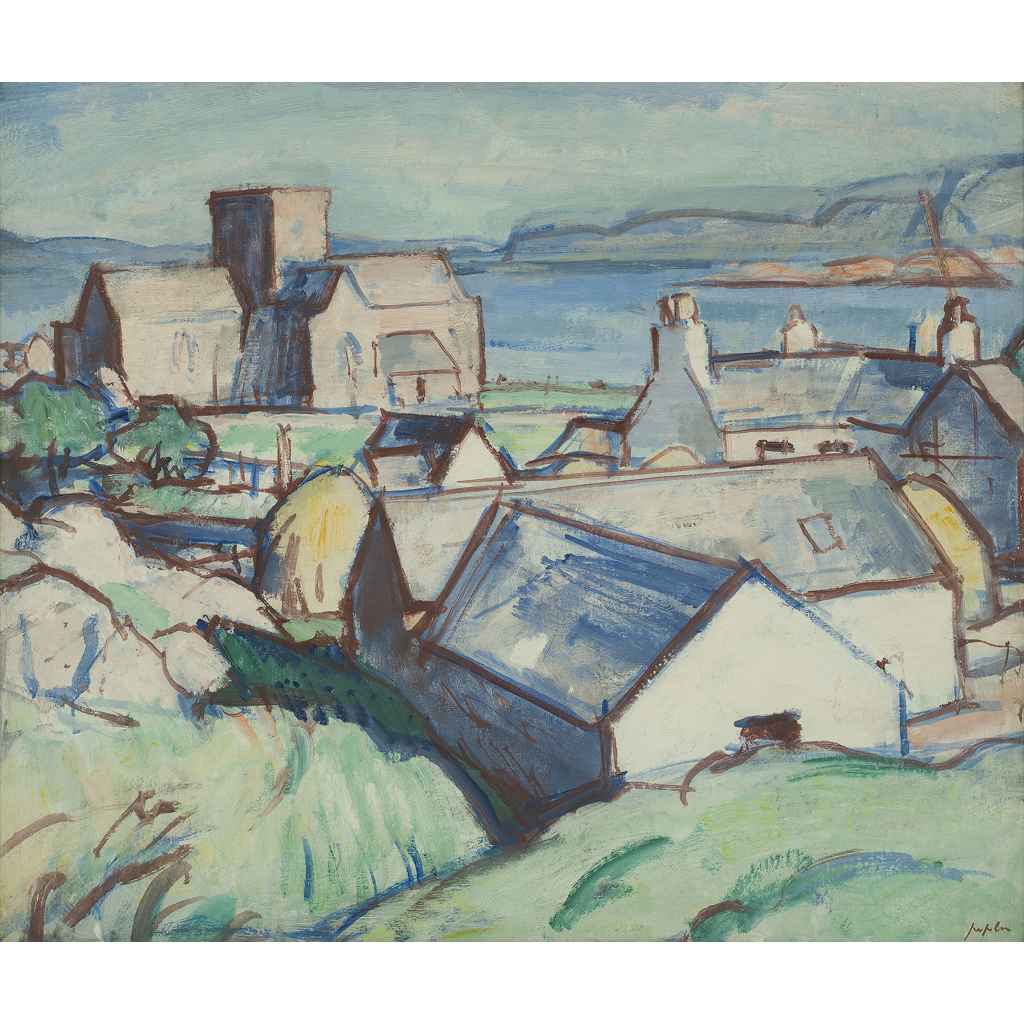
Samuel John Peploe RSA (British, 1871-1935) Iona Abbey
Samuel John Peploe RSA (British, 1871-1935) Iona Abbey. Sold for £98,500 at auction in 2016. I would suggest an insurance valuation of £150,000.

George Leslie Hunter – Artist Profile

  • Full Name: George Leslie Hunter
  • Birth: August 7, 1877, Rothesay, Isle of Bute, Scotland
  • Death: December 7, 1931, Glasgow, Scotland
Early Life & Background

George Leslie Hunter was born into a large family in Rothesay on the Isle of Bute, but at the age of 15, he emigrated with his family to California, settling near San Francisco. Unlike the other Scottish Colourists, Hunter was largely self-taught, and his route to painting was highly unconventional.

In his early years, Hunter worked as a graphic illustrator and cartoonist, producing drawings for magazines and newspapers. He also studied briefly at the California School of Design, but his development was largely informal. After the 1906 San Francisco earthquake, which destroyed much of his early work, he returned to Scotland, determined to devote himself fully to painting.

Career Development

Hunter’s career was a story of struggle, persistence, and transformation. He began exhibiting in Glasgow and quickly became known for his expressive landscapes and still lifes. In 1908, a trip to Paris introduced him to French modernism, especially the work of the Impressionists and Post-Impressionists, and began a shift in his style toward more vivid colour and looser brushwork.

A pivotal moment came in 1922 when Alexander Reid, a prominent Glasgow art dealer, organized a joint exhibition of Hunter’s work alongside that of Peploe, Fergusson, and Cadell. This show helped solidify the public’s perception of the four artists as the Scottish Colourists, though they never formally operated as a group.

Style & Technique

Hunter’s style is marked by:

  • Luminous, radiant colour, often layered in broken brushstrokes or loose, spontaneous patches
  • A sensitive, emotionally charged handling of paint, conveying a direct response to nature and atmosphere
  • A focus on landscapesstill lifes, and harbour scenes, especially views in around FifeLoch LomondProvence, and the south of France

His still lifes—particularly those with fruit, jugs, and flowers—show his remarkable ability to create harmony and vitality with colour and form. His landscapes, meanwhile, often capture a shimmering, almost dreamlike sense of place.

Despite his technical sophistication, Hunter remained plagued by self-doubt, frequently reworking or even destroying his own paintings, believing them inadequate. This insecurity, combined with physical and mental health struggles, affected both his output and recognition during his lifetime.

Personality & Later Years

Hunter was known for his eccentric and unpredictable temperament, often struggling with bouts of depression and illness. He lived a somewhat bohemian lifestyle, moving between France and Scotland, and was known for his intense periods of creativity followed by periods of complete withdrawal.

By the late 1920s, Hunter’s work had matured into a distinct and powerful style. However, his health deteriorated sharply. He died in 1931 at the age of 54, just as he was beginning to receive the recognition he had long sought.

George Leslie Hunter (British, 1877-1931) Landscape in Fife
George Leslie Hunter (British, 1877-1931) Landscape in Fife. Sold for £17,850 at auction in 2022. I would suggest an insurance valuation of £42,000.
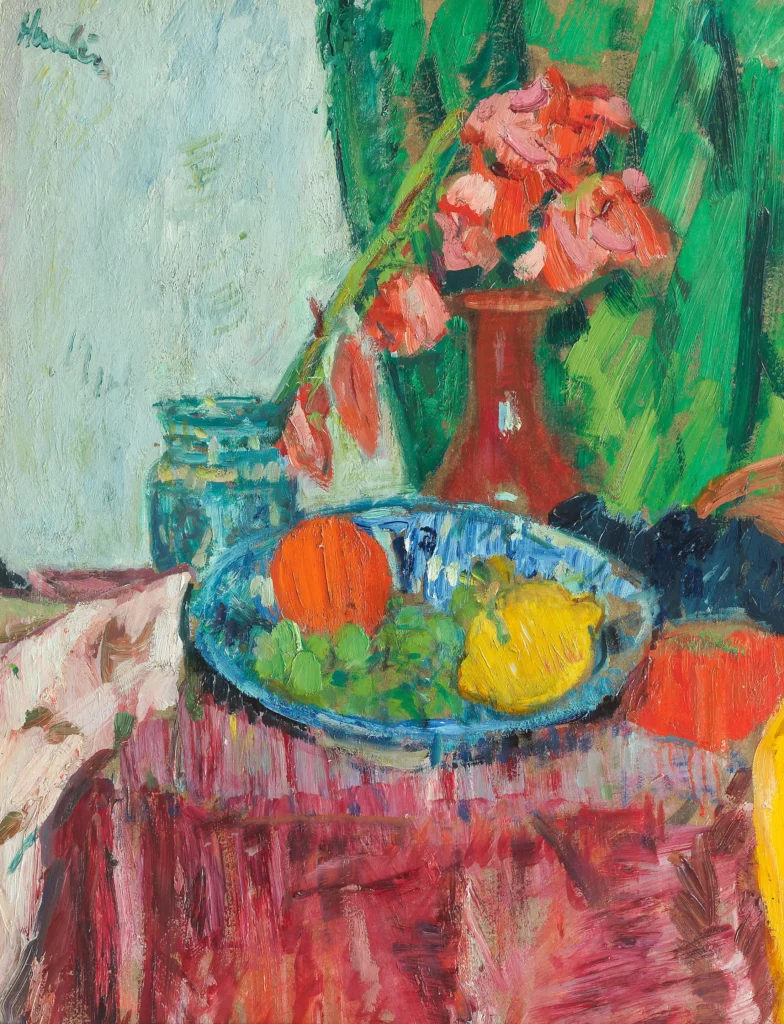
George Leslie Hunter (British, 1877-1931) Still Life with Gladioli, Dish and Fruit, on Pink Cloth Painted circa 1923
George Leslie Hunter (British, 1877-1931) Still Life with Gladioli, Dish and Fruit, on Pink Cloth Painted circa 1923. Sold at auction for £44,800 in 2024. I would suggest an insurance valuation of £95,000.

J.D. Fergusson – Artist Profile

  • Full Name: John Duncan Fergusson
  • Birth: March 9, 1874, Leith, Edinburgh, Scotland
  • Death: January 30, 1961, Glasgow, Scotland
Early Life & Education

J.D. Fergusson was born in Leith, the port district of Edinburgh, into a middle-class family. Originally intended for a career in medicine, he soon abandoned formal education to pursue his passion for art. He studied briefly at the Trustees’ Academy in Edinburgh but quickly rejected its academic approach. Like Hunter, Fergusson was largely self-taught, relying on travel, observation, and personal exploration to shape his style.

In the late 1890s, he began spending time in Paris, a city that would deeply influence his artistic direction. There, he immersed himself in café culture, intellectual life, and the art scene, encountering the work of ImpressionistsFauves, and Post-Impressionists firsthand.

Paris and the Avant-Garde

From 1907 to 1914, Fergusson lived in Paris, and this period proved to be a catalyst for his future development as an artist.During this time he connected with artists and writers in the heart of the European avant-garde, including MatisseDerain, and members of the École de Paris. He exhibited at the Salon d’Automne, becoming part of the broader modernist movement.

Fergusson embraced the Fauvist love of vibrant, unmixed colour, as well as Cubist ideas about structure and form, although he remained committed to a personal and sensual response to the world, particularly the human figure.

Artistic Style and Themes

Fergusson’s work is distinguished by:

  • Vivid, expressive colourful  and confident brushwork
  • A strong focus on the female form, often idealized and stylized, exploring themes of vitality, movement, and beauty
  • Engagement with dance and performance, especially during his time in Paris
  • A tendency toward rhythmic composition and sculptural solidity, blending Fauvism with classical influences

His later work shows a shift toward a more structured, monumental style, especially in his depictions of nudes and dancers, which reflect both modernist abstraction and an enduring interest in classical balance.

War and Return to Britain

With the outbreak of World War I, Fergusson returned to the UK and was devastated by the loss of many Parisian friends and the fragmentation of the vibrant prewar cultural scene. He spent time in London and Edinburgh, eventually settling in Glasgow.

During the interwar years, he became a driving force in the Scottish art world, founding the New Art Club in Glasgow and later the New Scottish Group, advocating for modernist principles in Scottish art.

Personal Life

A deeply cosmopolitan and passionate figure, Fergusson was also a writer, thinker, and art theorist. He had a lifelong partnership with Margaret Morris, a pioneering dancer and choreographer whose work strongly influenced his art. Through Morris, Fergusson developed a keen interest in movementrhythm, and human anatomy, which became central motifs in his paintings and sculptures.

Later Years and Legacy

Fergusson lived a long and productive life, remaining active into his 80s. He died in 1961 in Glasgow, by which time his reputation had undergone a significant revival. His legacy is that of a true modernist—one who brought the spirit of European avant-garde into Scottish art and insisted on the emotional and intellectual richness of modern painting.

The Fergusson Gallery in Perth, Scotland, holds an extensive collection of his work and remains a major centre for studying his contributions to British and European art.

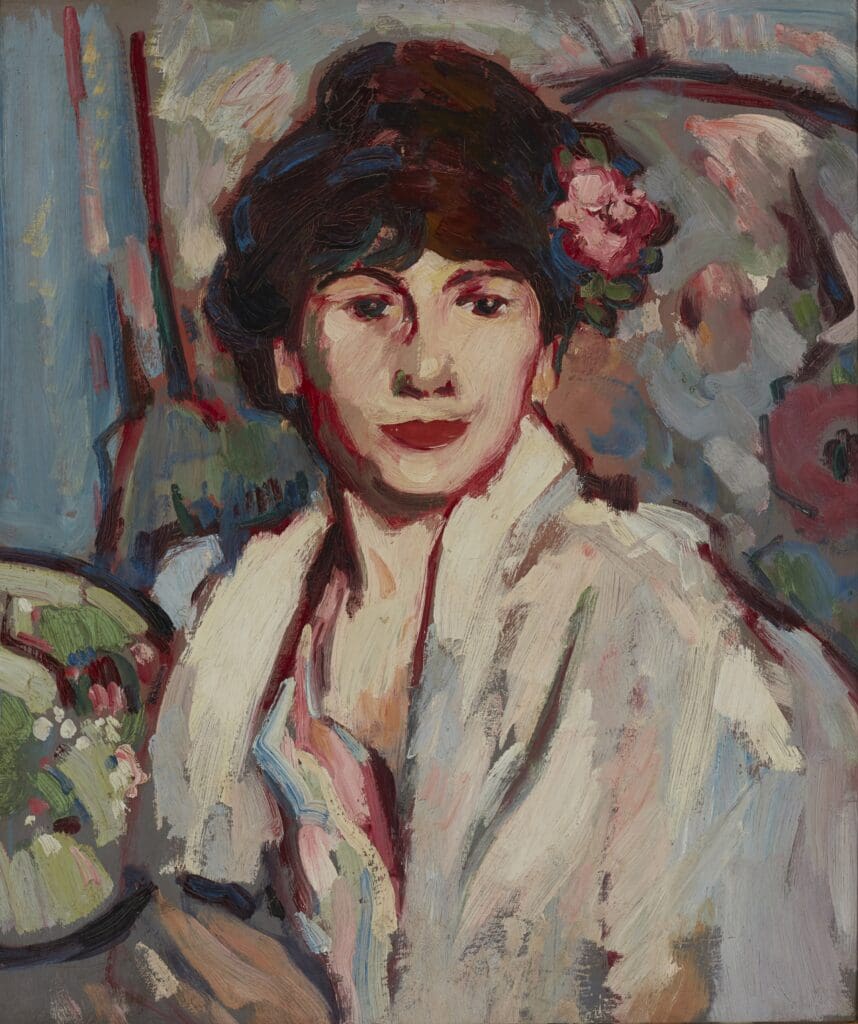
JOHN DUNCAN FERGUSSON R.B.A. (SCOTTISH 1874-1961) ROSE IN THE HAIR, 1908
JOHN DUNCAN FERGUSSON R.B.A. (SCOTTISH 1874-1961) ROSE IN THE HAIR, 1908. Sold for £243,951 at auction in 2024. I would suggest an insurance valuation of £450,000.
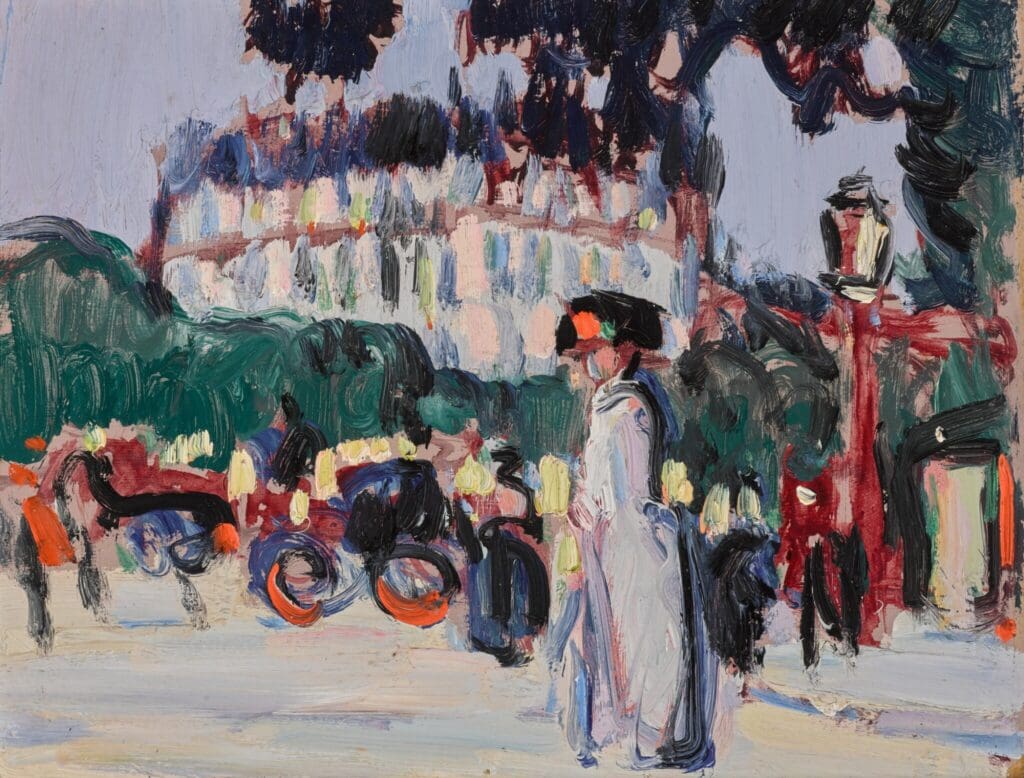
John Fergusson Près de l'Étoile, Paris
John Fergusson Près de l'Étoile, Paris. Sold for £94,500 in 2022. I would suggest an insurance valuation of £185,000.

Legacy of the Colourists

While J.D. Fergusson was perhaps the most forward-looking and intellectually ambitious of the Scottish Colourists,  Peploe and Cadell refined the still life and landscape, and Hunter brought lyrical spontaneity, Fergusson aimed for something larger: a synthesis of body, rhythm, and spirit in a modern idiom.

The legacy of the Scottish Colourists perhaps most significantly lies in their transformation of Scottish painting, bridging the gap between traditional academic approaches and the modernist spirit of the early 20th century. Today, they are recognised not only for their technical skill and aesthetic innovation, but also for their pivotal role in placing Scottish art on an international stage.

Photo london & Affordable Art Fair

From Hampstead to Somerset House: Highlights from London’s Spring Art Fairs

Recently two of our specialists have been exploring some of the London art exhibitions – Photo London 2025 and the Affordable Art Fair. Here is their experiences in their own words:

Ashley Crawford, Asian Art Specialist

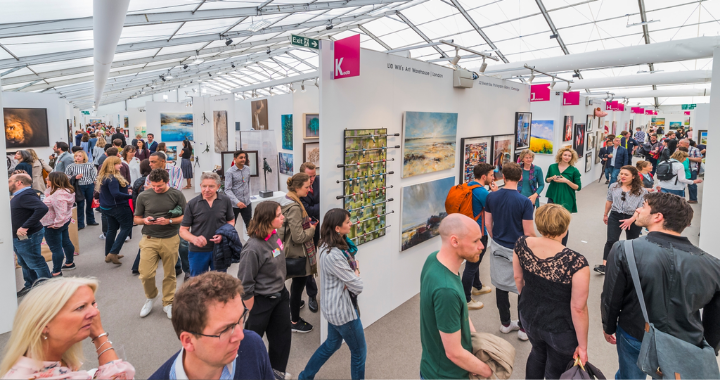
Recently, I attended the annual Affordable Art Fair in Hampstead (one location of several worldwide taking place throughout the year) to explore artworks by Contemporary Asian artists, both living in Asia and throughout the diaspora. The Affordable Art Fair generally sells works up to approximately 7,500 GBP and often below 1,000 GBP. This event is not only a great way to support living artists, but is also an opportunity to observe wider art market trends and discover up-and-coming artists locally and from around the world.

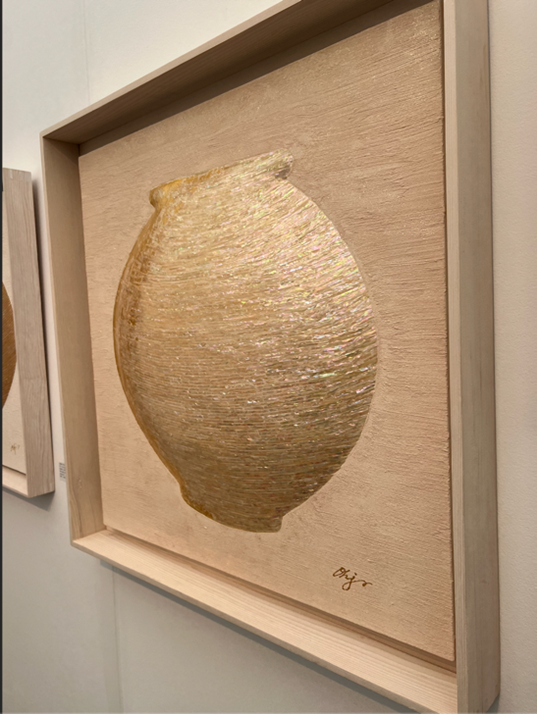
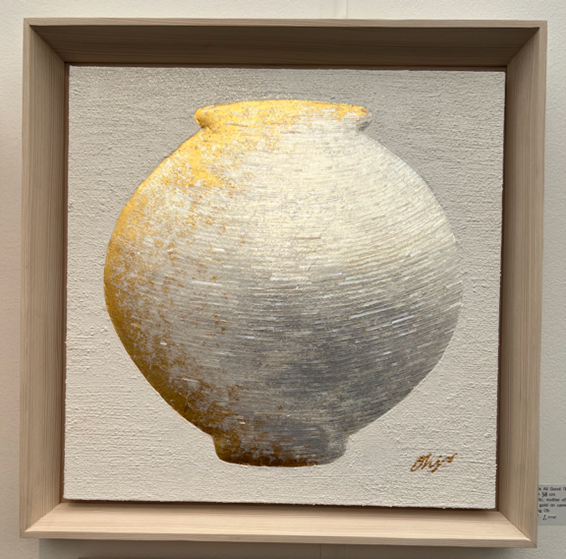
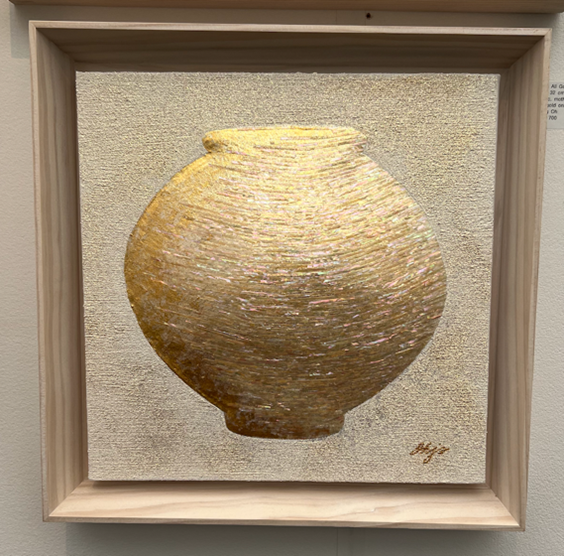
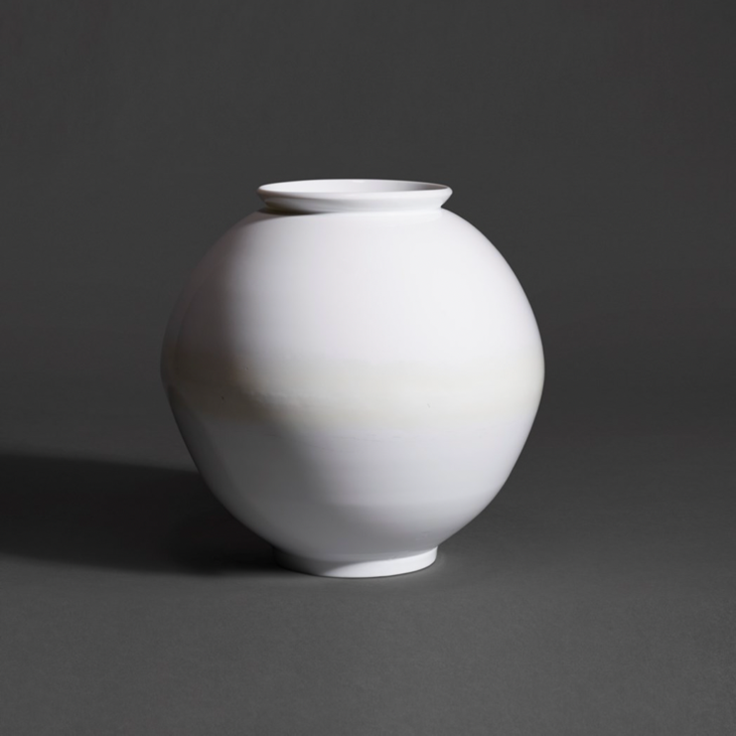
My first stop was TNB Gallery, a Korean Contemporary art gallery. I was immediately drawn to a series by Jeong Oh, who is known for her mixed media depictions of traditional antique Korean moon jars. Her series Holds All Good Things uses mother-of-pearl to depict the smooth, white glaze of moon jars with touches of color in a way that makes the jars particularly contemporary, while paying homage to their antique Korean heritage. Mother-of-pearl has also long been used in various Korean art forms. The three dimensionality and presence of mother-of-pearl means that these works appear different when viewed from various angles. The addition of gold creates a touch of drama that is otherwise absent from traditional moon jars. Oh’s larger works have recently been offered for roughly 7,500 GBP – 20,000 GBP, but her smaller objects on display at the Affordable Art Fair were all listed at about 1,000 GBP or under. For collectors searching for actual ceramic moon jars, they will be spoiled for choice; this ceramic form dates from the late 17th century, with many contemporary renderings and antiques from the centuries in between. The most famous Contemporary moon jar artist is Young-Sook Park. Although his works are not the most affordable, there is ample modern-day production of this beloved Korean art form to suit a wide range of budgets.

Three works from Oh’s series Holds All Good Things. Photographs by Ashley Crawford.
A Young-Sook Park moon jar sold at Christie’s in 2022 for $32,760. Source: Christie’s

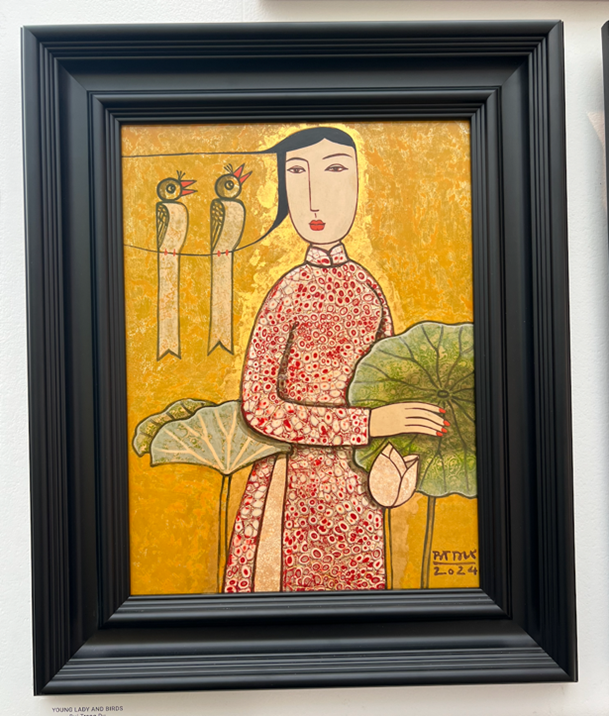
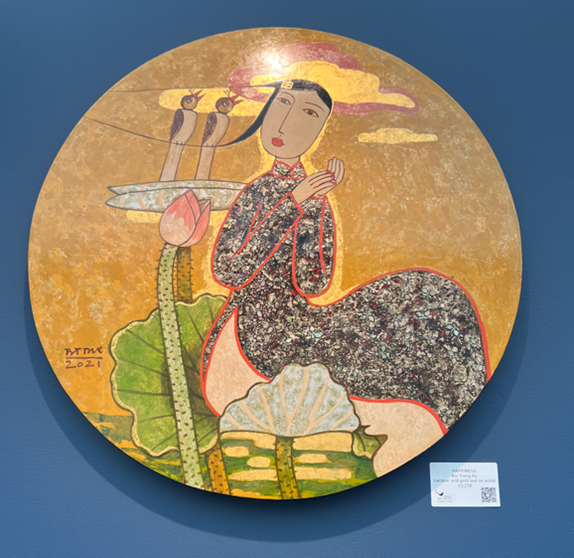
Next, I visited Hanoi Art House, which specializes in Contemporary Vietnamese art. Contemporary Southeast Asian artists have typically been underrepresented in London (especially compared to Paris), even within Asian art circles, but the Affordable Art Fairs in Battersea and Hampstead have consistently showcased living Vietnamese artists over the past several years. My favorite works at Hanoi Art House were lacquer-on-wood paintings by Bui Trong Du, who is best known for his depictions of Vietnamese women in traditional dress, often in nature and amongst birds. The ladies’ dresses are intricately decorated. Like Jeong Oh, Bui Trong Du draws on his cultural heritage to inspire his Contemporary renderings, as Vietnamese lacquer dates to at least the 4th century BCE. His works are typically offered for 500 GBP – 9,000 GBP. The works on display at the fair were within his more affordable range.

Bui Trong Du’s lacquer and gold leaf on wood paintings Happiness (2021) and Young Lady and Birds (2024). Photographs by Ashley Crawford.

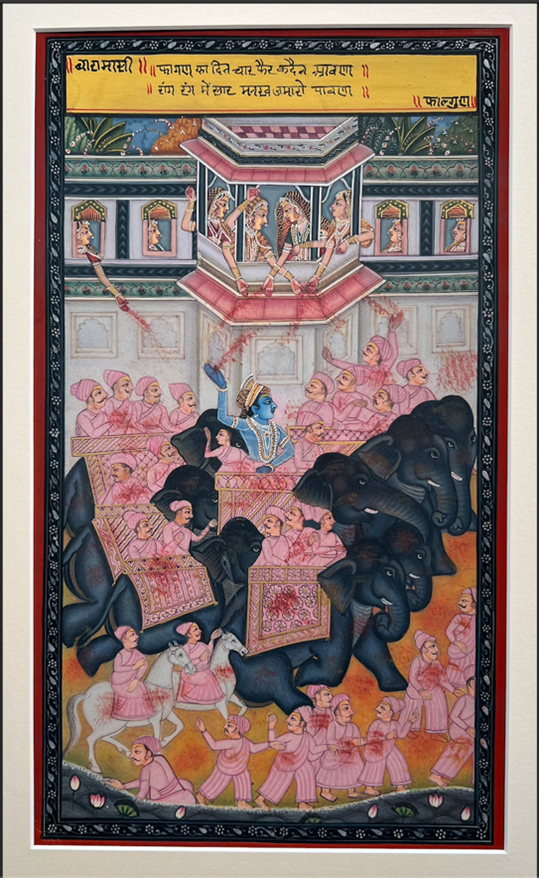
Lastly, I visited the UK-based Anrad Gallery, which showcased South Asian artists. The highlight of this exhibit was a series of Pichwai paintings by Contemporary artist Sushil Soni. Pichwai is an antique Indian tradition of painting on cloth, depicting Krishna’s Leelas (divine exploits) on temple walls. This practice dates back four centuries. As with the artists at the other galleries discussed here, Soni takes a beloved artistic tradition and breathes new life into it. Anrad Gallery displayed twelve paintings from Soni’s series Baraah Maas (Twelve Months) (2022). Each individual work was listed for 975 GBP. His larger works can be offered for around 1,000 GBP, so these fall within his typical range.

Holi celebration from Sushil Soni’s Baraah Maas (Twelve Months) series (2022). Photograph by Ashley Crawford

Pictured above is a vibrant scene of a Holi celebration, again, emphasizing and celebrating India’s cultural heritage.

There is something at the Affordable Art Fair for everyone. I was pleased this year with the continued presence of Asian artists and look forward to returning to the next fair in Battersea this October!

Contemporary Art Specialist Ben Hanly:

The first two weeks of May are busy ones in the London art scene, with 2 very different fairs opening their doors to London’s art loving audiences.

The first fair to open from 7th-11th May, is the Affordable Art Fair, which first launched in London’s Battersea Park back in October 1999. The founding philosophy of the fair was, and still is, to democratise the buying of art – to make the experience easy, accessible and affordable to the general public who often assume that buying art is for ‘other’ people and not themselves. The fair has been roaring success and has now grown into a veritable leviathan with fairs in 13 cities worldwide, including 3 in London at Battersea Park (October and March) and 1 at Hampstead in May.

The May edition in Hampstead Heath had everything one comes to expect from the AAF, with 106 galleries exhibiting and displaying works of art starting at £100 and maxing out at £10,000. Turner prize-nominated David Shrigley was among those showing work, with 106 galleries showcasing contemporary paintings, prints, ceramics, sculpture and photography.

AAF - Claire Knil

This year the Fair invited artist Claire Knill (represented by Lara Bowen Contemporary) to be the fair’s official installation artist. Knill’s large-scale geometric work, Willow Tree, which took centre stage in the main atrium, transforming the space with movement, light, and reflection. The work focusses on the connection between art and mental well-being.

Sessions this year include Summer Lates, where ticket holders can enjoy live DJ sets with a drink in hand while browsing the fair for new art pieces, and family mornings with free activities from painting workshops to face painting.

There is no denying the huge impact that the AAF has had on the international Art Fair landscape. More prestigious fairs may judge it as being too entry level and decorative, however, none can knock its enduring appeal. Similarly, all international art fairs have taken a leaf out of the AAF’s book and put increasing effort and money into developing exciting engagement programs and talks with the aim of appealing to new collectors.

Photo London, which ran from 15th-18th May, is London’s premier photographic fair which brings the finest international photography to the British capital every year. Staged at Somerset House the home of the Courtauld Galleries, the Fair presents the best historic and vintage works while also spotlighting fresh perspectives in photography. Along with a selection of the world’s leading photography dealers and galleries Photo London’s Discovery is dedicated to the most exciting emerging galleries and artists. In addition, each edition sees a unique Public Programme including special exhibitions and installations; and several Awards announced, headlined by the Photo London Master of Photography Award.

Photo London - Grob Gallery - Bill Brandt
Photo London - Niccolo Montese - AMIATA-5_80x53-1701x2500
Photo London - Niccolo Montese - AMIATA

Beyond the Fair, Photo London regularly hosts Pre-Fair Talks engaging with the craft, market and knowledge of photography and acts as a catalyst for London’s dynamic photography community, with major institutions, auction houses, galleries and the burgeoning creative communities in the East End and South London presenting a series of Satellite Events.

Photo London - GBS Gallery - East.-Atlantic-Ocean-IV.-6.39-am-
Photo London - GBS Gallery East Atlantic Ocean IV. 6.39am

This year the Fair marks its 10th anniversary in the capital, and with it, a new direction under the newly appointed Director, Sophie Parker, who was determined to move away from the clichés of pretty pictures of supermodels, artful murmurations of birds and majestic beasts and present something more serious, international and inclusive culturally.

Photo London - GBS Gallery - InOtherWords-2500x1762 - Harry Cory Wright
Photo London - GBS Gallery - In Other Words-2500x1762 - Harry Cory Wright

By and large Sophie Parker has begun to achieve this. 100 galleries took stands in the Fair, ranging from small to large operations, all showing their finest works. At least half the exhibitors this year were foreign galleries, with an increasing presence from Asia. Well established galleries such a the Grob Gallery, showed superb examples by European greats such as Billy Brandt, Brassai and Brancussi; whilst GBS Gallery showed a strong selection of contemporary photography including ethereal landscapes by Harry Cory Wright and figure studies by the Canadian artist Laura Jane Petelko. There was a strong presence of Paris based galleries, including Galerie Bendana-Pinel who showed the work of Niccolo Montesei – one of the short-listed photographers of the Nikon Emerging Photographer Award, and Galerie Clémentine de la Féronnière who showed beautiful nocturnal landscapes by the Paris based artist, Juliette Agnel.

Photo London - GBS Gallery - East.-Atlantic-Ocean-VI.-7.17-am - Harry Cory Wright

The price pointing at Photo London was naturally higher than at the Affordable Art Fair, with prices starting at about £1,500 and reaching over £200,000 for a rare Brancusi photograph. Having said that, many wonderful things could be bought under the AAF’s top limit of £10,000, meaning that both fairs give new or modestly funded collectors the scope to start their own art collecting journey.

Today, as the fair marks a decade of operations, photography is firmly entrenched in the art world mainstream. Blue-chip galleries now routinely display photographic works alongside painting and sculpture at art fairs like Frieze and Art Basel. This shift was exemplified by mega-gallery Hauser & Wirth’s decision to represent Cindy Sherman in 2021—a bellwether event for photography’s ascent. Sherman, who began her career in the 1970s, was long overlooked by major art fairs but now shares gallery representation with icons like Louise Bourgeois and Philip Guston. In 2023, fellow mega-gallery Gagosian announced its representation of Nan Goldin and brought original prints by Francesca Woodman to Art Basel, alongside personal works by the fashion photographer Richard Avedon.

Photo London - Galerie Clémentine de la Féronnière - Juliette Agnel

Together, the Affordable Art Fair and Photo London highlight the breadth and depth of London’s art scene this May – from accessible, playful pieces to museum-quality photography. Whether you’re starting your collection or expanding it, there’s no shortage of opportunity to engage with art that resonates, challenges or simply brings joy.

To arrange a valuation of your art or photographs, give us a call on 01883 722736 or email us at [email protected].