Museum valuation

Why museum valuations matter: clarity, governance, and protection

I’m often brought into museums and heritage organisations to answer a question: do you know what you hold, where it is, and what it would cost to replace?

Museums exist to preserve, interpret and share collections. That mission is rooted in scholarship and public benefit, but it also carries a practical responsibility: understanding what you hold, how it is distributed across stores and sites, and how well it is documented for insurance.

This is where valuations become essential.

Curators and collections managers are, rightly, enthusiasts and subject specialists.

Their expertise sits in provenance, context, significance, condition, and interpretation. Insurance, however, asks different questions. Insurers need clear identification, locations, and defensible figures on an appropriate basis of value. That requires market knowledge, an understanding of replacement routes, and consistent documentation. It is not a criticism of curatorial teams to say valuing is a different skillset – simply that the purpose and audience are different.

The risks are rarely theoretical.

Collections move between stores, galleries, conservation spaces, and loan venues. Many services hold collections across multiple buildings, sometimes spread over a county. Records can be excellent in one store and thin in another. Legacy accessions, unprocessed donations, and ‘known unknowns’ accumulate over decades. And across categories – paintings, objects, archives, books and scientific material – replacement and sourcing can look very different item to item.

A specialist valuation programme brings discipline and visibility.

It creates a consistent, item-by-item picture of key elements of the collection, supported by descriptions and photography. It also tests reality against records. In practice, that produces two outcomes that institutions value immediately:

Finding objects staff didn’t know existed.

A systematic survey often brings to light items that were never fully recorded, were stored under generic headings, or were assumed to be of low significance. Once identified and valued, those objects can be considered properly for conservation, research, display, and loan.

Identifying missing items early.

Reconciliation work highlights discrepancies – objects recorded but not located, or objects present but not recorded. Catching that early is invaluable, particularly across multiple sites, because it allows a museum to tighten controls, update locations, and strengthen audit trails before a problem becomes a crisis.

This is a point our clients regularly make. As one institution put it:

“The team of specialists that came into our sites to view and value the collections were very professional and efficient; they engaged with the curatorial team effectively. Specialists were happy to highlight and advise on what areas of the collections required valuation (some which we were unaware of).”

Valuations also support decision-making beyond insurance. Up-to-date figures help institutions explain risk to trustees and stakeholders, plan priorities, and strengthen loan and exhibition planning. Sara Wear, Curator of Human History at Warwickshire Museum Service, summarises it clearly:


“Having up-to-date valuations on key elements of our collection allows us to assess those objects for future display, loan etc and to ensure our stakeholders understand the nature of what we hold and it’s financial and historical value.”

The value of a museum collection is never only monetary, but monetary clarity matters. A thoughtful valuation programme gives institutions a better grip on the practical realities of stewardship: what you have, where it is, what it is worth to replace, and how to protect it…across one site or many.

What is a valuation

What are valuations and why do you need one?

Jewellery Specialist Francesca Orme recently sat down with Alastair Meiklejon, Senior Valuer at Doerr Dallas Valuations, to discuss why valuations are so important, how underinsurance happens, and what clients often overlook when it comes to protecting their collections and contents.

Francesca:
A lot of people hear the word “valuation” and immediately think about selling something. What actually is a valuation, and what kinds of valuations do you carry out?

Alastair:
There are many different types of valuation, all carried out for different purposes. We undertake insurance valuations, probate and inheritance tax valuations, family division valuations, and valuations for estate planning and collection management.

The type most people are familiar with is an insurance valuation. That establishes what it would realistically cost to replace an item today if it were lost, stolen, or damaged.
Clients often come to us because they have acquired items over many years, inherited pieces from family members, or simply want to understand the value of what they own.

A valuation provides the client with proof of ownership and value – in the event of a claim a client will be asked to provide this and often receipts or evidence is not possible.  Valuers cannot value items when they are no longer available, even from photographs.  A valuation will be the most important document when dealing with a claim.

Francesca:
I think a lot of people ask why they need a valuation if they are not selling anything.

Alastair:
Absolutely. It’s a very common question.

One of the biggest reasons is insurance. Without an accurate valuation, clients often have no idea whether they are properly covered. If you have never had a valuation I would at least have one completed a some point to provide you with a detailed description, photographs and a value.

But beyond insurance, valuations also help people understand what they actually own. You would be surprised how many times we visit a property and the client underestimates both the quantity and value of their contents.

It also becomes very useful later for family planning, inheritance discussions, gifting, and understanding how collections may eventually be divided between family members.

More than $80 trillion will be transferred to heirs from Generations X, Millennials, and Gen Z over the next 15 years, according to the UBS Global Wealth Report 2024.

Some experts, such as former UBS banker Ken Costa, estimate the figure could be as high as $100 trillion.

When client ask if they need a valuation, I would always ask them if they can afford not to. In the event of a claim it will ensure a speedy payout and a payout at the true value.

Francesca:
And values can change dramatically over time, can’t they?

Alastair:
They really can. Markets move constantly. Material prices rise, tastes change, and demand changes.

Silver is a very good example. Precious metal prices have increased significantly, which directly impacts replacement costs. But insurance valuations are not just about the raw material value. We look at what it would realistically cost a client to replace an item through an appropriate retail source today.

That’s very different from an auction value or probate value.

Francesca:
So the same item could have different values depending on the purpose of the valuation?

Alastair:
Exactly.

For insurance, we are assessing replacement value. For probate or inheritance tax, we assess open market value. Those can be very different figures.

Francesca:
One thing we speak about a lot is underinsurance. Why is it such a problem?

Alastair:
Because many people are relying on figures that were guessed years ago and simply index linked over time.

We still see clients who say their contents figure was originally decided ten or fifteen years ago with very little detail behind it.

The problem is that collections evolve, property contents change, and prices increase. Without reviewing those figures properly, clients can find themselves seriously underinsured.

78% of clients we visit are under-insured and many of these have inherited items in the last 10 years totally unaware of the values and often items sitting in the back of a safe or drawer. 

Francesca:
That’s where a Walk Through Valuation can be really useful, isn’t it?

Alastair:
Very much so.

A Walk Through Valuation allows us to review the property room by room and assess whether the current insurance figures are realistic.

We look at categories such as fine art, jewellery, silver, ceramics, glassware, furniture, and general household contents. We also review garden contents, outdoor furniture, and outbuildings where appropriate.

The aim is not to specify every single item individually. It’s to identify areas where the sums insured may not be sufficient and highlight important items that may need separate specification on the policy.

Francesca:
And it’s not just jewellery or paintings people forget about either.

Alastair:
Not at all. One of the most overlooked areas is general contents.

People naturally focus on jewellery, watches, or artwork, but the cost of replacing everyday household items has risen hugely in recent years.

Curtains, carpets, furniture, appliances, and outdoor items can represent a very substantial replacement cost.

Water damage is another major issue. People often think about theft or fire, but escape of water claims can be catastrophic.

A leaking boiler or burst pipe can destroy flooring, furnishings, carpets, and decoration throughout a property. We have seen many situations where clients simply did not have adequate cover in place beforehand.

Francesca:
Do valuations ever uncover surprises?

Alastair:
Quite regularly.

One example that stands out involved a coin collection. During what started as a fairly routine review, we identified an item of significant value that the client had completely underestimated.

That discovery ultimately helped fund university education for the client’s daughters.

Those moments are always rewarding, but they also reinforce why specialist expertise matters. Clients are not expected to know exactly what they own. That’s our role.

Francesca:
And sometimes that means bringing in additional specialists?

Alastair:
Exactly.

One of the most important parts of being a valuer is recognising where specialist input is needed. At Doerr Dallas Valuations, we have specialists across jewellery, watches, fine art, silver, books, Asian art, and many other fields, so we can ensure significant items are assessed correctly.

Francesca:
Finally, what would your advice be to someone who has never had a valuation done before?

Alastair:
Don’t assume your current insurance figures are accurate just because they’ve been on the policy for years.

Values change, collections grow, and replacement costs rise over time. A valuation provides reassurance that if the worst happens, you have appropriate cover in place and a proper understanding of what you own.

That peace of mind is incredibly important.

If you would like advice on insurance valuations, probate valuations, or Walk Through Valuations, contact the team at Doerr Dallas Valuations.


If you would like advice on insurance valuations, probate valuations, or Walk Through Valuations, contact the team at Doerr Dallas Valuations.

Watch the interview in full:

Underinsurance: the risks of not having an up-to-date insurance valuation

The True Cost of Underinsurance

Underinsurance is one of the most common risks facing homeowners with jewellery, watches, silver, art, furniture and general contents. When valuations fall out of date, you may not have enough cover in place to replace what you own.

Failing to review valuations regularly can lead to serious financial and practical consequences. Around 89% of people we see show some level of underinsurance across their current sums insured. In many cases, the gap has grown over years without them realising.

Jewellery is particularly vulnerable to underinsurance. Diamonds, gold and branded pieces have seen strong value increases, often linked to how long the item has been owned. An engagement ring bought for £4,000 in 2016, for example, may now cost around £25,000 to replace. That increase alone can push the piece beyond your policy threshold for unspecified items, often known as the Single Article Limit.

Underinsurance becomes a problem at the point of claim. If values are outdated, insurers may only pay the amount listed on the policy or up to the single article limit, which can sit between £2,500 and £5,000 for jewellery. This may not be enough to replace or repair the item like for like. In some cases, underinsurance can even lead to reduced settlements or declined claims.

A current valuation helps avoid underinsurance and supports a claim being settled quickly and smoothly. It provides proof of ownership, accurate descriptions and photographs, all of which help insurers confirm value without delay or dispute.

Insurers often require evidence of value at the start of a policy. This includes detailed descriptions, supporting documentation and images. Without these, underinsurance risks increase and claims can become harder to validate. Insurers may need extra time to verify details, question the value being claimed or decline part of the claim if the item cannot be substantiated.

This may not feel significant when thinking about a single item. But in the event of theft, fire or water damage, underinsurance can affect multiple possessions at once. Claims can run into thousands of pounds and require proof of ownership and value for each item. Many people rely on old receipts, which may not clearly describe what was purchased or may no longer be readable.

A valuation report reduces the risk of underinsurance by acting as formal evidence. It confirms the item existed, that you owned it and what it would cost to replace. It also ensures your sums insured reflect the current market, which is vital when making a claim.

Without this, underinsurance can create additional stress at an already difficult time. Claims may be challenged, delayed or settled at a lower figure than expected, leaving you financially exposed.

Real experiences highlight the impact of underinsurance. One client lost a diamond tennis bracelet originally purchased for £21,850. It had never been added to the policy as a specified item. By the time it was lost, the replacement cost had risen to £68,000. Underinsurance meant the item was not covered at the level needed, resulting in financial loss alongside the emotional impact.

Insurance professionals see the effects of underinsurance regularly. Steve Moores, Risk Management Director at Howden Private Clients, explains: “Underinsurance caused by out-of-date valuations continues to be one of the key challenges our claims team faces when handling jewellery and watch claims. Obtaining proof of value after a loss can be a slow and difficult process. With a current valuation in place, claims can be settled much more quickly, in some cases even on the same day.”

Reviewing valuations is one of the simplest ways to reduce underinsurance and protect what you own. Accurate, up-to-date values help ensure your policy reflects the real cost of replacement and gives you confidence that, if the worst happens, you are properly covered.


Get in touch today to book a valuation of your items on 01883 722736 or email us at [email protected].


Why Watch Box and Papers Matter for Your Insurance Valuation

Why Watch Boxes and Papers Matter for Your Insurance Valuation

When arranging an insurance valuation, the watch box and papers that accompany your timepiece can make a meaningful difference. Original packaging and documentation help valuers verify authenticity, confirm details about the watch and ensure the correct replacement value is recorded in your valuation report.

Why Watch Box and Papers Are Important for a Watch Valuation

Paperwork acts as a ‘birth certificate’ of the watch, and on a commercial level helps to authenticate timepieces. They verify details of the watch, such as model number, serial number, time and location of purchase. As such, on the secondary market, watches with paperwork secure higher retail returns as a result of higher buyer confidence. Many collectors will not consider purchasing a watch without paperwork. When replacing from the Secondary Market, as is the case for models with long waitlists, a watch with a ‘full set’ is the closest and most immediate solution for New For Old Value. The absence of these, unfortunately, forces us to look for comparables with similarly lacking accompaniments.

As an example: the Rolex Daytona ref. 116506

On Chrono 24: A 2017 example with box, no papers. Listed at £60,999
Two 2017 examples in the UK with complete sets, listed on average at £79,915.

This exercise (figures from 9.3.26) demonstrates a 31% uplift in value for the same watch, with the presence of paperwork. This is not an isolated example, across the board, watches without paperwork, even from the same year, condition, boxes present, will generally be listed on the secondary market for a fraction of their counterparts with full paperwork.

As valuers, we need to independently verify the existence of these accompaniments, record them, photograph them and include them in our description of your watch. If boxes and paperwork can be presented together with the watch at the time of the valuation, this will save time and additional administration requirements post valuation. It will also prevent you, in the case of the Daytona ref. 116506, being 31% underinsured.

Here are examples of paperwork that our valuers would be looking for during your watch valuation:

Rolex

Rolex ‘box and papers’ means the complete set included with the watch when sold at retail – this can include additional links, swing tags, Guarantee Worldwide Service Manual, Model Guides, Anchor tags, all depending on model and year purchased.

The appearance and design of Rolex ‘papers’ has changed over the years, from a folded paper certificate, to the modern technologically advanced cards of today. It is worth noting that paperwork for vintage Rolexes up until the 2000’s can vary in design from model to model, year, and location of sale, but below is a typical example of a more modern Guarantee from the brand.

Pre 2006:

The pre 2006 Rolex papers are printed on folded paper. These documents have features such as the perforated or embossed serial number, dealer details from where the watch was originally purchased from, the date of sale, land code, and a watermark that can be seen when held to bright light.

pre 2006 Rolex paper

2006 - 2020

From 2006, Rolex introduced a plastic card to replace the paper certificate. These cards were white and green, with a hologram visible under UV light, containing details of the retailer, date of purchase, land code, and purchaser to one side, with the watches model and serial numbers to the other side.

Rolex 2006 plastic card
Rolex 2006 plastic card (Front)
Rolex 2006 plastic card (Back)

2020 to present

The most recent warranty card from Rolex was released in 2020. This card removed much of the information found on previous cards, as data was stored electronically. The details remaining on these cards are the model number, serial number, and date of original purchase.

Design features include a holographic strip visible under UV light, as well as a chip within the card that directs a mobile phone to a secure part of Rolex’s website to access further details. These new technologically advanced features made forgeries much more difficult, and increased a level of privacy to the paperwork, no names, addresses or country codes were any longer instantly visible.

Rolex warranty card 2020 to present
Rolex warranty card 2020 to present (Front)
Rolex warranty card 2020 to present
Rolex warranty card 2020 to present (Back)

Rolex Service Paperwork:

If your watch has been sent to Rolex for a service, they will return with an International Service Guarantee, detailing the model number, serial number, and date of service. These are laminated cards, and make no replacement for the original warranty card in terms of value, but evidence and history of Rolex servicing all helps our valuers to put together a true picture of the watch history.

Rolex International Service Guarantee

Patek Philippe

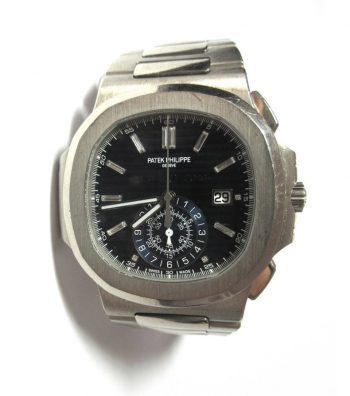
Patek Philippe issues a Certificate of Origin with each of its timepieces, in the form of an A4 certificate, printed and signed with details such as the reference number, serial number, movement information, and design features: dial, case, bracelet and gemstones. This folded form is typically housed within a brown folded leather pouch, underneath the box.

Patek Philippe issues a Certificate of Origin
Patek Philippe Certificate of Origin

Audemars Piguet

Audemars Piguet paperwork has varied over time, but Certificate of Origin and Warranty Cards typically contain the information needed to support a valuation. Below is an example of a printed booklet-style certificate of origin, including reference and serial numbers, case numbers, movement details, date of original sale and retailer information.

Audemars Piguet digital warranty card
Audemars Piguet Certificate of Origin

From 2020, Audemars switched to digital warranty cards, a plastic card with QR code that scanned to verification of a watch’s authenticity and warranty period.

Omega

Omega watches are supplied with a warranty card, which includes the serial number, watch reference number, the date of purchase and the retailer details. Other cards included in a full set include the Master Chronometer and Pictograms card, each also detailed with the watch reference and serial numbers.

Omega Watch - Warranty Card, Master Chronometer and Pictograms cards.
Omega Watch - Warranty Card, Master Chronometer and Pictograms cards. (Front)
Omega Watch - Warranty Card, Master Chronometer and Pictograms cards.
Omega Watch - Warranty Card, Master Chronometer and Pictograms cards. (Back)

Here are examples of other brands ‘Paperwork’

Cartier

Contemporary Cartier ‘paperwork’ is in the form of a plastic card, or a folded booklet for earlier watches.

Cartier plastic card
Cartier folded booklet

Hublot

Contemporary Hublot paperwork is in the form of a black card, embossed with the reference and serial numbers plus logo hologram to front, and written or stamped detailing to the reverse.

Hublot black card (Back)
Hublot black card (Front)

Breitling

From 2013, Breitling started using electronic warranty cards, each with an RFID chip that can be read by devices at authorised dealerships. These are thick, plastic cards, displaying the watch model details, serial number and warranty information.

In 2020, Breitling introduced their blockchain-based digital passport as their paperwork. Accessed by scanning the QR code to the top right hand side of the paperwork, this provides a digital certificate of ownership.

Brietling Electronic Warranty Card from 2013
Brietling Electronic Warranty Card from 2013 - 2020
Brietling Electronic Warranty Card from 2020 onwards

Franck Muller

Franck Muller Certificate of Origins are typically a folded A4 certificate, written or stamped with the watch details, and typically housed within a folded leather pouch.


We hope this guide helps you in your preparation for a valuation. If you have any queries, or need any help on locating or identifying paperwork for any other watches not listed above, do get in touch with our team.

Franck Muller Certificate of Origins
Franck Muller Certificate of Origin
The risks of unspecified jewellery

The Risks of Unspecified Jewellery

Unspecified Jewellery is becoming more of a concern when we are conducting valuations as it is mostly overlooked by people in their jewellery boxes and forgotten about when it comes to their insurance policies.

With the rise of laboratory grown diamonds found on the market, political uncertainty and sanctions applied by and on various countries, the prices of natural diamonds have taken a tumble. However, it would be naïve to consider that the price tag of these precious gems has not increased in the last 5, 10 or 20 years. From bread and milk to diamonds and gold, no product has escaped from an increased price tag.

If you were lucky enough to get engaged some ten years ago, you may have purchased a diamond three-stone ring, such as the below ring mounted in platinum and totalling 2.50 carats of diamond, for a price tag of £4,000. Having slowly climbed to £6,500 in 2020, in today’s market, that same ring would cost £25,000 to replace.

Diamond three-stone ring

With many insurance policies requiring items over £20,000 to be itemised you probably don’t realise the cost today of the ring that is on your finger but would be very disappointed if you couldn’t replace it in the event of a loss.


Equally this diamond line bracelet by Tiffany & Co., set with a total of 5 carats, would have retailed for £5,000 in 2010.

Diamond line bracelet by Tiffany & Co.

Today, Its equivalent from the Tiffany Victoria range, set with 4.25 carats of diamonds, retails for £30,700 – again over the single item on your insurance policy.

Unspecified Jewellery - Tiffany bracelet by Tiffany & Co
Tiffany bracelet by Tiffany & Co

Whether you own a pair of diamond earstuds, a bracelet or a ring, and have had the opportunity to wear theses for the last few years but haven’t thought to update your insurance valuations, you could be at risk of being under insured as the prices of precious materials continues to rise as a reaction to geo-politics. In the worst-case scenario, you could find you are not insured atall.

The gold price is currently £3,456.49 (02.02.2026) a troy ounce in 2015 this was £716.37 – so it doesn’t take a genius to work out the prices of jewellery in the last 10 years has increased in value.

At Doerr Dallas Valuations, we are currently recommending clients update their valuations if they haven’t been valued in the last 12-18 months with the gold price being at its highest level in years and if you have never had a valuation please call us to find out more – it doesn’t cost anything for us to send you a proposal but count the pieces in your jewellery box first!

Under Pressure – The Exponential Growth of Underinsurance

The Exponential Growth of Underinsurance

As 2023 drew to a close, I look back on the year and reflect on the subjects I have found myself discussing most and even on the morning of the 27th of December at 9am I received a call from a long term client of ours whom is not only well respected, but incredibly astute, and this case highlights without a shred of doubt, the biggest problem in our collective industry currently.

A client of theirs is looking to insure a collection of jewellery with insurance values ranging from £1,000 – £20,000 – individually not huge sums, but collectively a significant amount. The figures have been gathered through somewhat standard avenues of what was paid for the item and “what we think it is worth/or worth to us”.

In my estimation, the collection is probably underinsured by a figure close to 50%, and on some individual items, close to 75%. We are now working out when we can get to the client as soon as possible in the New Year.

Whilst it may have been considered the ‘elephant in the room’ for many years, brokers and insurers are now discussing the problems that underinsurance can cause. We all know that the implications of underinsurance can be catastrophic, but how do we pass that knowledge on to clients and give them the knowledge that they need to make an informed decision about their cover, and having a professional valuation?

A recent example occurred during the summer, of which I was part of the team assessing a large estate that had been inherited from parents of a well known farming family. The figures provided were done so in the mid 1990s, and index linked from that date, with a figure of around £250,000 for the entire contents of the property.

Following the valuation, the figures were certainly surprising to the client, and the broker.

  • A general contents figure of £200,000
  • An antiques and collectibles figure of £210,000
  • A silver figure of £101,000
  • An art figure of £210,000

What astounded me is that despite being a heritage property, the insured still had all the contents in one general contents pot, with no specific categories indicated on their policy. Following the valuation, the client and broker now have a far better image of what they are insuring with correct figures for different areas, representing far better value for the client and a far better risk evaluation for the broker and insurer.

A recent survey completed by one of the biggest insurers of high net worth clients in the United Kingdom has revealed that 67% of their clients need more guidance and assistance with their collections. This offers great potential for brokers to have the conversation with their clients about how they can help and offer an ever greater service.

What is clear is that the market is changing, with people’s tastes moving from more traditional avenues of collections and investment. The same survey indicated that 44% of high net worth clients invested in jewellery, and the same percentage in watches, which have both seen exponential growth in the last decade.

The great opportunity that a valuation always offers for the client is not only knowing the value of specific items within their collections, but also the figures of the collection total in addition to the individual items mentioned previously, so one can gather a ‘snapshot’ of the property.

So, should the subject of under insurance still be swept under the rug? Well, if its increased in value by 60% in the last five years, probably not.

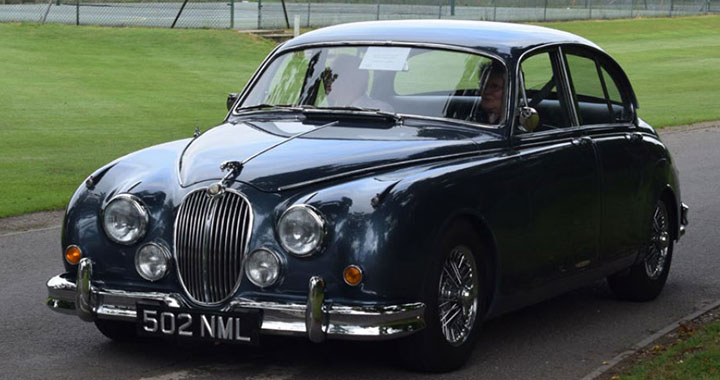
Recent classic and collector car market trends mean you’re probably under-insured

Since the full force of the coronavirus pandemic hit in the spring of 2020, we have all experienced unforeseen ups and downs in many aspects of our lives.

Whilst it doesn’t begin to compare to what many people have suffered over the last three years, the classic and collector car market has also experienced significant turbulence and unpredictability in relation to values.

As a result, many classic car owners are very likely to be under-insured with out-of-date valuations and would find themselves heavily out-of-pocket in the event of a claim.

What has been happening in the market?

Having experienced something of a dip towards the end of 2019, classic and collector car market values spiked considerably not long after the first lockdown came into force at the end of March 2020 – according to recently released price index data from the insurer Hagerty.

Stuck at home with little to do and unable to go away on holiday, buyers spent significant amounts of money on classic cars; with the increasing demand pushing values sharply upwards. With physical dealerships closed, online classic car auction platforms with detailed photographs and thorough descriptions provided a low risk route to purchase.

These digital-only outlets, such as The Market by Bonhams in the UK and Bring a Trailer in the US, reported record sales figures during 2020.

As the world went back to work during 2021, average market values cooled a little but the rising cost of living and then the invasion of Ukraine in early 2022 caused higher fuel prices and a more significant dip.

Where are we now?

The first data points of 2023 show that average values in most classic car categories are now well above where they were pre-pandemic.

The category that has performed the best over that period is what Hagerty tracks as their Gold Index. This segment includes top-end collector cars such as the Mercedes-Benz 300SL Gullwing, Ferrari F40 and Ford GT40, and shows an average market value increase of 21.4% since late 2019.

Not far behind on a 17.4% increase is the Hot Hatch grouping. These are the cars that Generation X-ers wanted to buy in their late teens and twenties but couldn’t afford. Now in their middle-age with a greater disposable income, fast Fords and GTIs are being snapped up in waves of nostalgia.

Less than a percent adrift are the Best of British cars at +16.6% and at an 11.4% increase is the Classic category which represents the “everyman” classic cars and by far the biggest slice of the market.

Is your car under-valued?

Based on these findings, there is a very good chance that unless you’ve had your car valued recently, it will be under-insured.

Indices such as those from Hagerty are based on market value averages across a range of models, so it is important to get a valuation not just on the make, model and year of cars that you own but for your actual cars in their current condition and with any particular history or provenance.

Market valuations – what you could expect to sell the car for – are most appropriate for valuing assets for probate, inheritance tax or division of chattels, but you need to value cars differently for insurance purposes.

An insurance valuation assesses what it would cost to replace a car if it were stolen or badly damaged and could include all manner of additional expenses beyond the purchase price of a similar car or just the cost of repair – particularly if the car is a hard-to-find model or requires specialist parts and extensive labour to restore it to your particular specification.

Get an up to date valuation

At Doerr Dallas Valuations, we usually recommend revaluation at least every 2-3 years to incorporate market trends. Never has this been more important than now due to the heavily fluctuating classic and collector car market.

Get in touch with us to discuss how our independent team of specialist valuers can help to make sure your cherished vehicles are properly covered.

General contents the invisible problem?

Every week we see record prices being achieved by some of the greatest artworks known to man, with some of the most glamorous jewellery and watches going to auction at incredible sums, but how often do you talk with your clients about the carpet in the drawing room, or the suite of furniture purchased in the 1990s?

Just this week we have heard more news about inflation and cost of living rising again, and potentially this could increase well into 2023 and beyond.

So how does this effect your mid – high net worth clients and their contents?

The value of items within the ‘General Contents’ section of most customers insurance schedule has been rising for many years, even before COVID–19 and the dreaded lockdowns of 2020.

According to the Office for National Statistics, the values that we are seeing are increasing year on year for general home furniture by around 16% per year so a settee purchased for £10,000 this time last year would now be costing £11,600, with garden furniture increasing by up to 25% per year. So why is this?

The cost of manufacturing has sky-rocketed since 2019, with many companies having issues recruiting staff and/or sourcing materials, in turn the supply chain has suffered with transport issues in abundance – it’s not unusual to see waiting times run in to months for some items.

Two of the items that I am constantly surprised by are curtains and carpets, with some of our clients spending six figure sums on carpeting their homes, and a pair of lavishly lined silk curtains for a 13ft high sash window costing nearly £10,000, however on paper these have only increased by around 5% this year – but, this is only for the material and not the fitters or the makers, so in turn I believe that these figures are increasing by around 24% with that same pair of curtains now costing £12,400.

Whilst statistics are not available for the inflation of electrical goods, this market is different as the advancement in technology means that many items are out of date the minute they are released, there has of course though been a general increase across the board in most items of this nature.

Clothing will continue to be an interesting question with a broad figure of 8.5% inflation across the board, this however will absorb the designer and couture elements alongside the high street fashion world, which does not always give a totally accurate reflection of the mid-high net worth spending habits.

Whilst each manufacturer is different and sometimes these inflation costs will be absorbed into the operating profit of the company, in most instances, and especially in High Net Worth accounts, it is passed on to the client.

When taking an overall look at your clients, by all means be sure to look at the fine art, the jewellery and many other of the ‘visible’ items that clearly will have changed in value, but be sure that you don’t ignore the invisible ones that may well mean your client is underinsured.

Walk-through Valuation – SPECIAL OFFER

The Walk Through Valuation is a beneficial offering for you or your clients if current content values are based on a ‘guestimate’ or a ‘rough idea’ to ensure the values provided are accurate and up to date. For the comfort and security and assurance that in the event of any claim you are covered why wouldn’t you?

You don’t want to find a claim is not paid in the event of a loss, so ensuring your insurer has a true reflection of your values is so important. The Walk Through Valuation is designed for the Mid Net Worth client to establish/categories the contents correctly, on a room by room, category by category basis, itemising items of single value, identifying issues and providing cross room photographs. We don’t value the jewellery but we will discuss/establish if the current cover is adequate and any other areas of concern which would require a specialist visit.

A Senior valuer will attend the property to complete and the survey takes approximately 3 hours to complete. Our report will be issued within 15-20 working days providing recommended figures and illustrated.

So, to ensure you/your clients values are true and accurate, recommend the need for a Walk Through Appraisal today – up to 4 bedrooms – £540 plus VAT@ 20% including travel.

Call us today on 01883 722736 to book an appointment or email [email protected]

8 Problems with asset valuations clients may not recognise – what brokers need to know

When a client tells you they have a valuation for their assets a broker may breathe a sigh of relief – but that relief could be misplaced.

Alastair will share examples of documents Doerr Dallas Valuations have seen from clients and brokers that are inadequate and explain why this is the case. He will also share ideas and questions that may be useful for brokers to help them raise these issues with their clients in a non-confrontational way.

Making sure your client has correctly valued all their assets will:

  • Ensure you are offering the best service
  • Reduce the chance of issues at the point of claim
  • Ensure the risk is correctly underwritten, insured and priced
  • Potentially lead to higher (but correct) premiums, and hence higher commission
  • Protect your PI from claims that you did not correctly advise your client

There will be the opportunity for Q&A at the end of the session.

Audience: useful for all levels of experience, and for both personal lines and commercial client-facing broking staff. Particularly useful for those early in their careers.

The importance of professional valuations for HNW clients

Up to date valuations of assets are becoming ever more important – and the quality of that valuation can be critical. The last time anyone wants to discover it is missing or out-of-date is when a claim comes in and there are coverage issues.

Valuations are key for policyholders to:

  • Prove ownership
  • Describe the item, with a photograph
  • Give a current true replacement value for insurance purposes

Professional and up-to-date valuations are also key for brokers, AR’s and insurers because:

  • They help an underwriter correctly assess and price the risk – reducing the risk of underinsurance
  • They make policy negotiation conversations easier – e.g. clarity over what is owned, how much is actually worn vs. kept in a safe

  • Jewellery setting checks reduce the risk of loss/damage, and therefore claims
  • Should an item be lost/damaged, it is easier and quicker to assess the loss and handle the claim with a detailed description and accurate valuation (reducing claim management costs for all)
  • Better claims management = happier policyholder = higher retention (where you want to keep the client!)
  • Indicative of a “good insured” – they have invested in, and take care of, their property.

So what’s the problem with “valuations” in the industry at present?

There are many issues that can arise:

  • No valuation at all.
    This could be because the item was a gift or has been recently inherited, or because the receipt or valuation has been lost/mislaid.Surprisingly, on visits to clients’ homes by valuers, high-value assets that are not specified (and therefore not covered) are often identified – simply due to oversight by the client. This could be a painting, a Hermes handbag collection, or jewellery the client has forgotten about. Many policyholders do not realise that a piece of furniture, a tapestry, or some books or antique ceramics are actually very valuable (hence the popularity of “Antiques Roadshow”!)Brokers are sometimes unable to visit clients’ homes due to time-pressure – which means this is a real but unrecognised risk. A home visit by a valuer can mitigate this.
  • An out-of-date valuation.
    Prices for HNW assets can fluctuate dramatically, but at different levels over different time periods (see below). An out-of-date valuation will mean the item is underinsured, leading to underpayment at the point of claim.
  • A simple purchase receipt.
    This may state that £10k was paid for a diamond ring, but does not give enough information to replace it easily. It can also lead to underinsurance – as some collectible items can increase in value immediately after purchase.
  • Unreliable valuations and receipts.
    At the point of claim, an insurer may accept a receipt from Goldsmiths or Sotheby in the UK as evidence of an item having been purchased and owned. They are reputable companies, and the receipt will be in £’s sterling.What if there is an issue or error with a valuation? Does the company providing it carry PI in the UK? Do they have the expertise to correctly value an item? Do they follow industry best-practice standards e.g. FSQS? Are they GIA registered?A receipt or valuation may be from a company in Russia, or India, or Hong Kong. It may be written in that language, with no easy way of knowing whether the company is reliable and trustworthy. Is this a genuine purchase receipt, or could it be a fraudulent, inflated valuation? Even if genuine, it is still an issue for claims teams at the point of claim.What currency is the valuation in? Sterling, US dollars and Euros are currencies which can be reasonably relied upon. But how comfortable is a claims team with a valuation in Russian Rubles or Venezuelan Bolivars, currencies that can fluctuate wildly. What about a valuation in Bitcoin? What value should go in the policy – who decides?

Poor valuations typically lead to underinsurance, difficult claims handling for everyone (client, broker/AR and insurer), and even claims being rejected.

This underinsurance also means GWP can be left on the table for the insurer, and less commission is earned by the broker or AR.

What should a valuation contain?

A professional valuation will provide a comprehensive document that includes:

  • An overall description of the item, including dimensions and overall condition
  • For jewellery:
    • details of the stone(s), including size and quality. If a stone is certified, the report number and date should be noted within the description, as well as the name of the grading laboratory.
    • the metal and overall setting
    • any marks (such as hallmarks or maker’s marks)
    • a value, which should be dated and confirm the purpose/type of valuation
    • confirmation that the clasps and settings of jewellery have been checked. This will help if a “clasps and settings” clause has been applied. It will also reduce the risk of loss or damage overall.

What’s happening in the HNW asset market at the moment?

Values change all the time. The replacement value for something bought 10 years ago will be different to the purchase price (if known). There is a common misconception that antiques have no value – it may be difficult to sell them, but can prove very costly to replace them if damaged or lost.

The costs of restoration and repair have increased exponentially. If an item of furniture or jewellery has been damaged, it can possibly be repaired – but this is likely to be at a substantial premium. It’s not just the time and skill of the artisan you are paying for, their rates, rents, stock and materials have all increased significantly.

Ceramics and glass from the early 20th Century are often overlooked by clients. These items are achieving record-breaking prices at auction – the owner may well not know this, but this can be spotted and a problem avoided during a home visit.

Paintings and artworks often represent some of the highest valued items in a home, yet little regard is paid to ensuring their insurance cover is up-to-date and adequate. The value of art can change/fluctuate significantly, and sometimes overnight (e.g. death of an artist). The value is often linked to taste and fashion – which artists are most desirable at the time. John Constable’s iconic “Hay Wain” was the Nation’s favourite artwork for generations; it has now been displaced by Banksy’s “Girl With Balloon”. How is a broker/AR to know during a client home visit whether the artwork on the wall is likely to be valuable and needs a proper valuation?

What’s the solution?

Clients should be encouraged to get a professional valuation of all their HNW assets done on a 3 yearly basis. If the client is a collector of watches, they should consider reviewing values annually – makers discontinue styles over time, thereby increasing their values.

For many clients, a home-visit is the quickest, easiest, and safest way to achieve this – as the valuer(s) will come to their home at a time of their choice. This helps ensure no potential HNW asset is left unidentified and unspecified.

Ideally, a valuer should be able to value all items (e.g. paintings, jewellery, watches, guns, clothing/shoes/handbag collections), not just some of them. A one-stop-shop service – with the right expert for each area.

A good valuation service will be FSQS registered – meaning they adhere to finance industry-recognised standards. This provides confidence in the quality of the valuation and the safety of customer data. They should also carry UK-based PI in case of a mistake or error.

Brokers and AR’s are critical in the valuation process. The client may need convincing to invest in a professional valuation – they are often not as expensive as many think.

A good valuation service will be happy to do an initial phone call with the broker/AR in attendance to explain the process, why this is so important, and the risks of not being correctly valued. Having the broker/AR at the site visit is also very useful, as it helps cement their relationship with their client, and helps them more fully understand the needs of their client.

Who are Doerr Dallas Valuations?

This article was written by Rachel Doerr of DDV.

Rachel has spent her career specialising in valuing HNW assets, setting up her own business to do so in 2016. The business is FSQS registered, and carries PI of £5m.

Doerr Dallas pride themselves on their relationships with brokers and ARs, and are keen to support them in many ways free-of-charge, for instance:

  • Quotations, often including different cost options to meet the needs of different clients
  • Training for staff
  • Articles for websites and newsletters
  • Presenters at events e.g. speakers, free valuations at a wine-tasting
  • Joint phone calls to clients
  • Reminders when the market has changed and certain items need revaluing

Doerr Dallas Valuations can help eliminate concerns about the correct valuations of a client’s HNW assets in all categories, for clients in the UK and across Europe. The team includes some of the most renowned and internationally recognised specialists in their areas of expertise – including Fine Art, Antiques, Silver, Jewellery, Watches, Classic Cars, Books and Manuscripts, and other valuable collectibles as well as handbags, wardrobe contents and general household contents.

Rachel can be reached on 01883 722736 or 07876653602 and email [email protected]