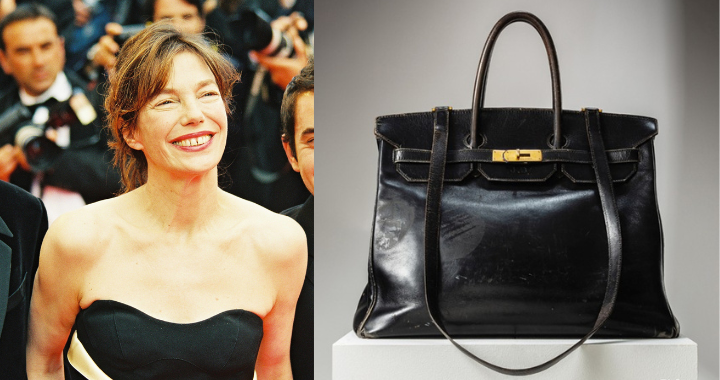
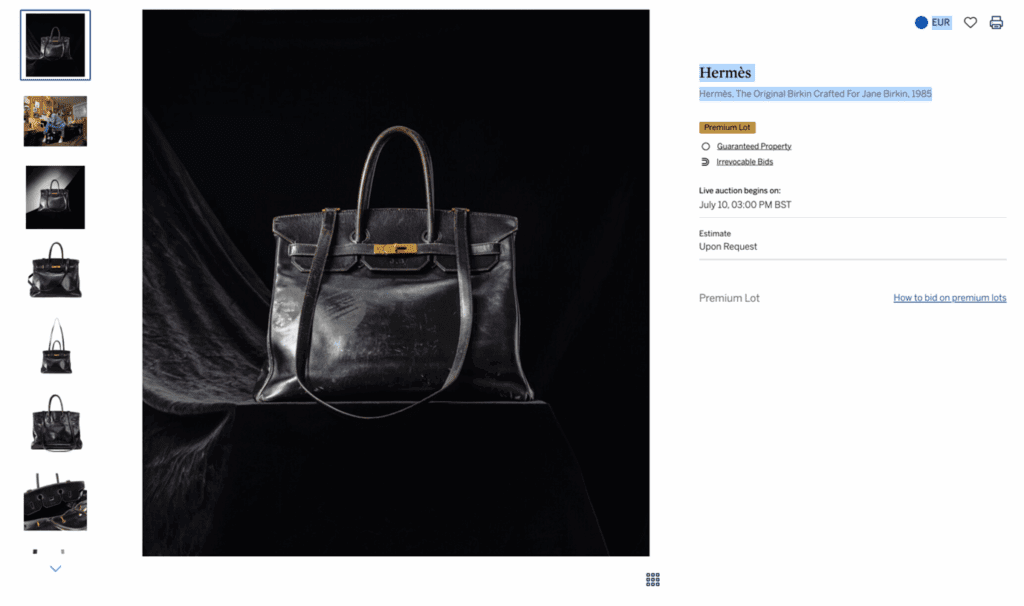
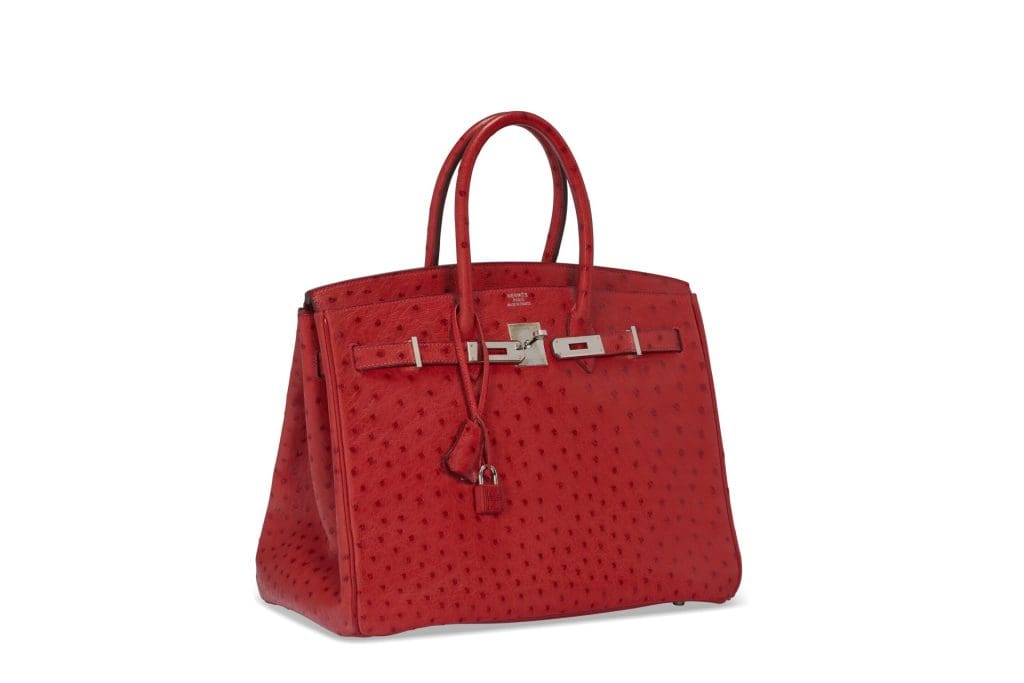
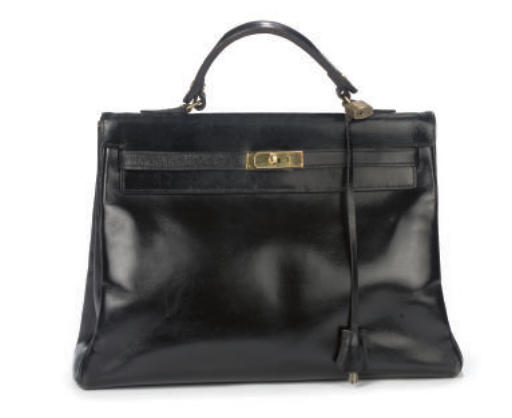
Jane Birkin’s original Birkin bag, a legendary prototype that sparked the creation of one of the world’s most iconic and coveted handbags, is currently being sold at Sotheby’s in Paris.
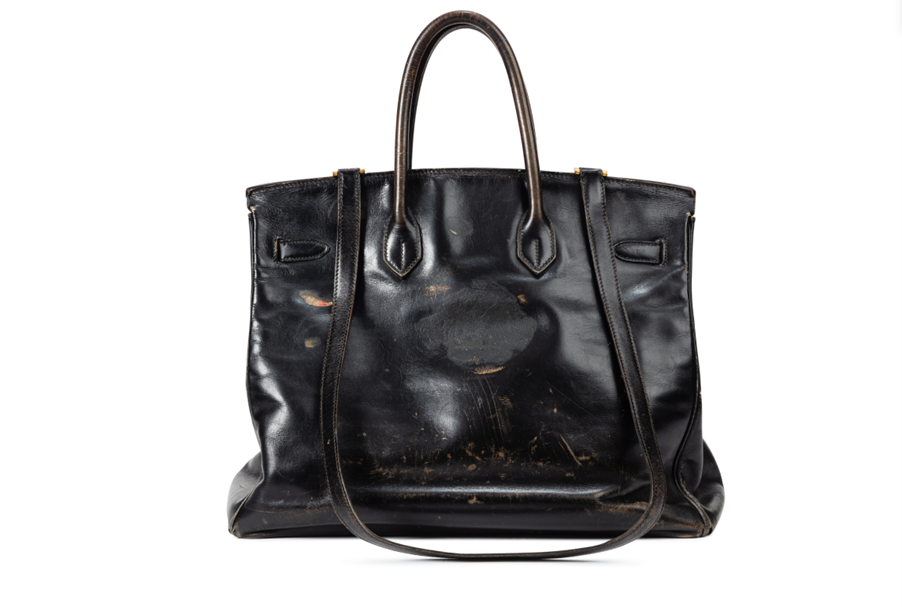
This historic piece, distinguishable by unique features like its attached shoulder strap and “J.B.” stamp, was designed for Birkin in 1984 after a chance encounter. Having been used by Birkin for nearly a decade and previously auctioned for charity in 1994, it has since been owned by a private collector and exhibited in prestigious museums. Now, as the highlight of Sotheby’s “Fashion Icons” sale running from 26th June to 10th July, this black leather artifact, still bearing traces of its storied past, including humanitarian stickers and even cat bite marks, is poised to fetch a significant sum, potentially setting a new record for a Birkin bag at auction.
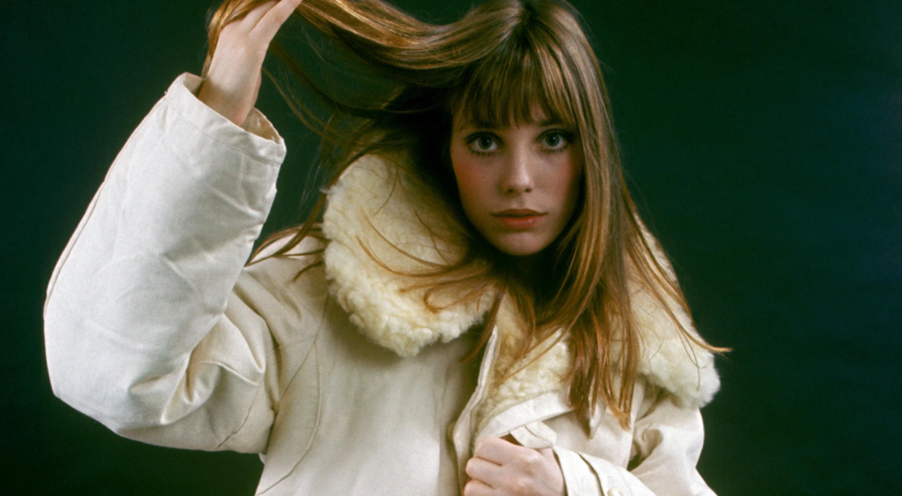
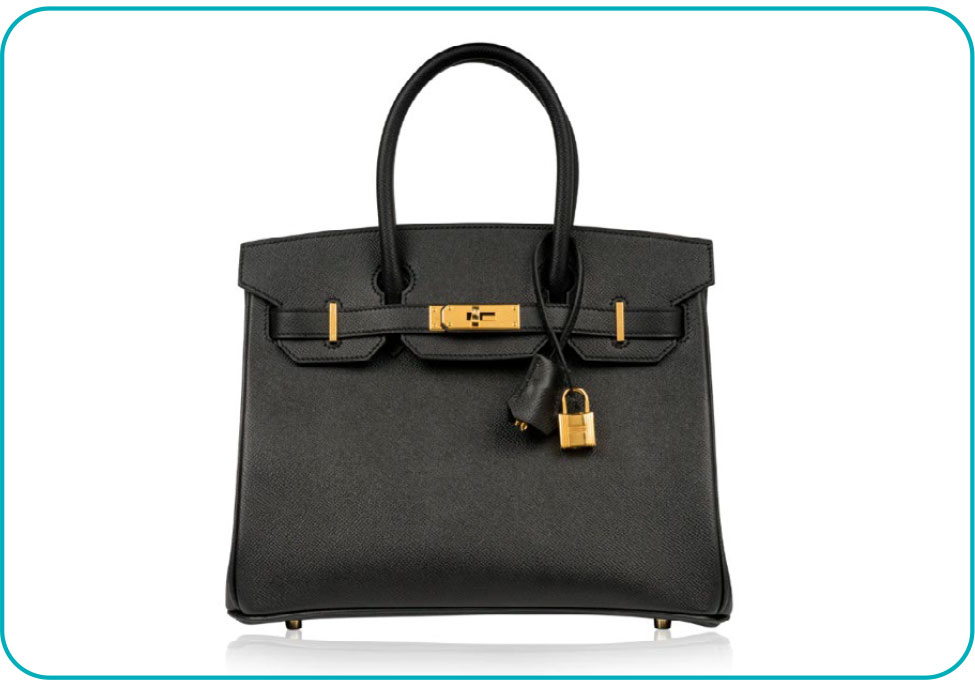
This isn’t just any Birkin; it’s the very first one ever made, custom-designed for Jane herself and it boasts seven unique design elements that you won’t find in any other Birkin bag, making this prototype truly a unique buy.
So, let’s start with how it came about. In 1984, Jane Birkin found herself on a flight from Paris to London, seated next to Jean-Louis Dumas, the then chief executive of Hermès. Birkin was struggling with her existing handbag – a wicker basket – whose contents had spilled across the aisle. She expressed her frustration to Dumas, lamenting the difficulty of finding a stylish yet functional bag large enough to hold all her essentials, especially baby bottles (she had her daughter Lou Doillon at the time). Dumas, ever the visionary, was intrigued by her predicament. He listened intently as Birkin described her ideal bag: something softer than a rigid briefcase, but still substantial enough to be practical for everyday use. He then sketched a design on the spot, reportedly on the back of an airplane sickness bag – a rectangular, supple holdall with a distinctive flap and clochette. Thus, the concept for the Birkin bag was born.
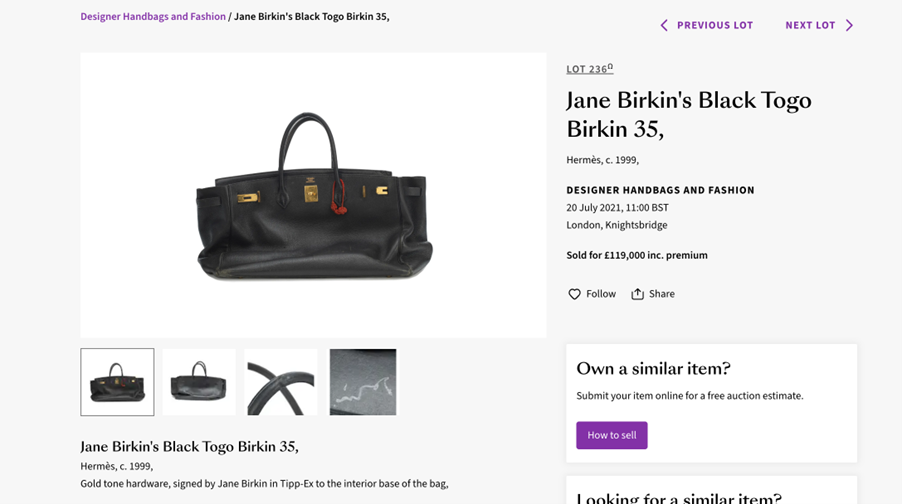
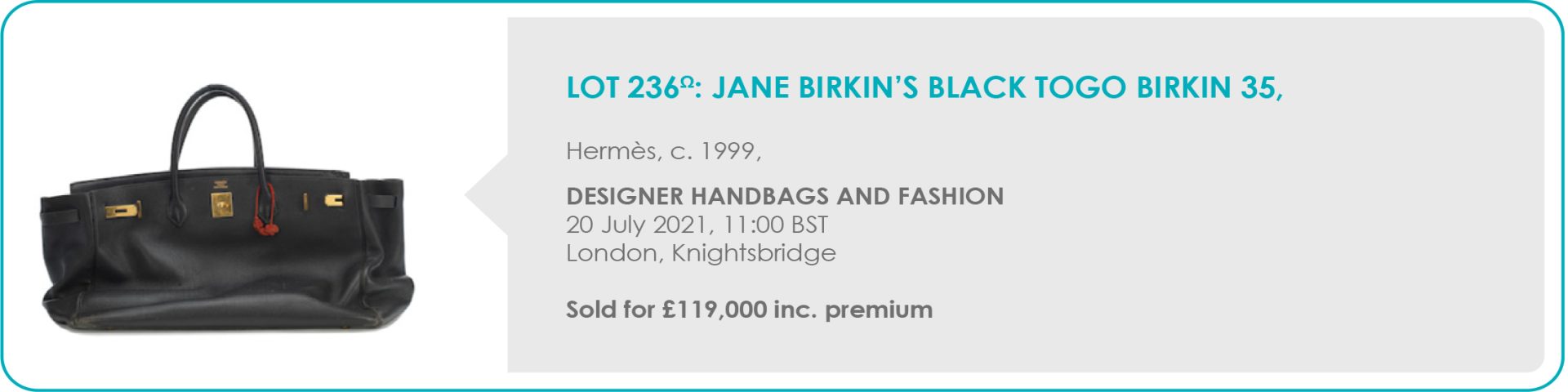
It’s not the first time one of Jane Birkin’s Hermes Handbags has been sold at auction, in 2021 at Bonham’s her Birkin 35 in Togo sold for £119,000, five times its presale estimate!
The sale of Jane Birkin’s Original Birkin is slightly more significant in that it’s the very first one ever made, custom-designed for Jane herself, based on her ideas and it boasts seven unique design elements that you won’t find in any other Birkin bag, making this prototype truly a unique buy.
Shoulder strap
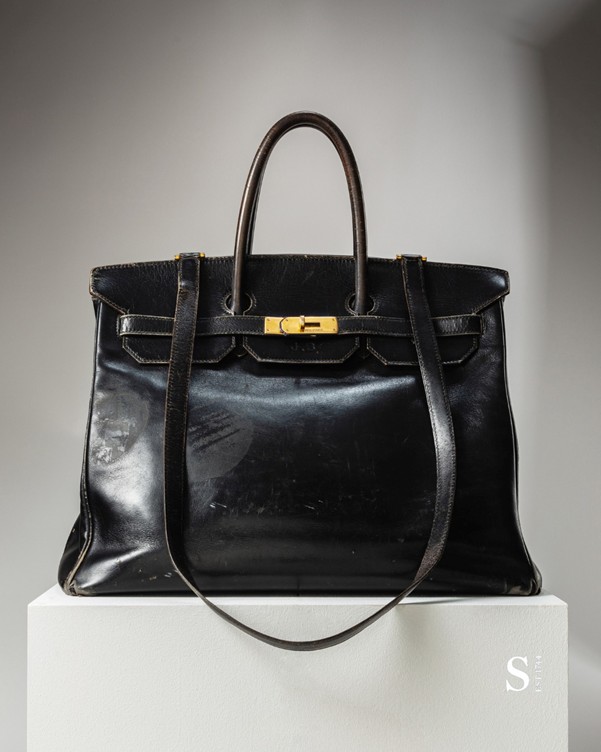
Perhaps the most striking detail of the bag is its integrated shoulder strap. This wasn’t just a design choice; it’s a feature that was never replicated in any commercially produced Birkin. Though Hermès later offered a limited edition with a detachable strap in the 1990s, Jane’s original stands alone as the only Birkin to boast a fixed, non-removable shoulder strap.
Size
Breaking from the standard 40 and 35 sizes of the Hermès Birkins, Jane’s Original Birkin offered a distinct hybrid design. It ingeniously combined the sleek width and height of a Birkin 35 with the more spacious depth of a Birkin 40, another truly unique specification.
Hardware
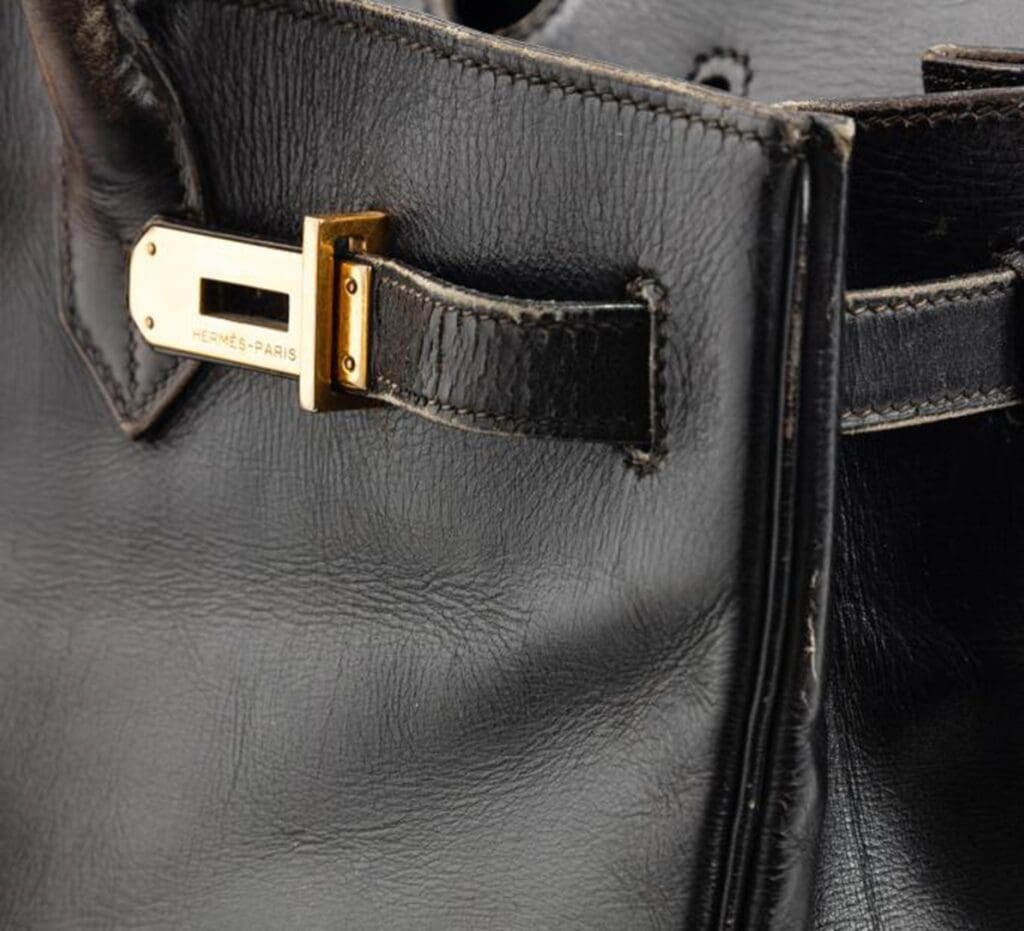
Initially, it featured gilded brass hardware. This early detail evolved when the Birkin officially launched, moving to gold-plated hardware distinguished by a check mark stamp. As the Birkin line matured, Hermès diversified its hardware choices, eventually offering palladium, rose gold, and other finishes.
Rings / Pontet
Another unique detail is its closed metal rings which the leather straps thread through to close the bag, this is reminiscent of the Hermès Sac Haut à Courroies (HAC). In contrast, early commercial Birkin’s, introduced until the early 1990s, featured rings open at the bottom. Today’s Birkin bags now display rings that are open at the top.
Studs and zippers
Hers features notably smaller bottom studs than those found on later production bags. Additionally, its zippers were sourced from Éclair, a detail unique to this prototype. In the 1990s, Hermès partnered with Riri, who remains the exclusive zipper manufacturer for all Birkin bags today.
Initials
More than just an accessory, it was a deeply personal extension of herself, proudly marked with her “J.B.” initials on the front flap. It quickly became her constant companion, often cradled close in her arms as she took it everywhere. The bag’s well-loved condition eloquently speaks to years of dedicated use by the iconic actress and singer, embodying her inimitable style and spirit.
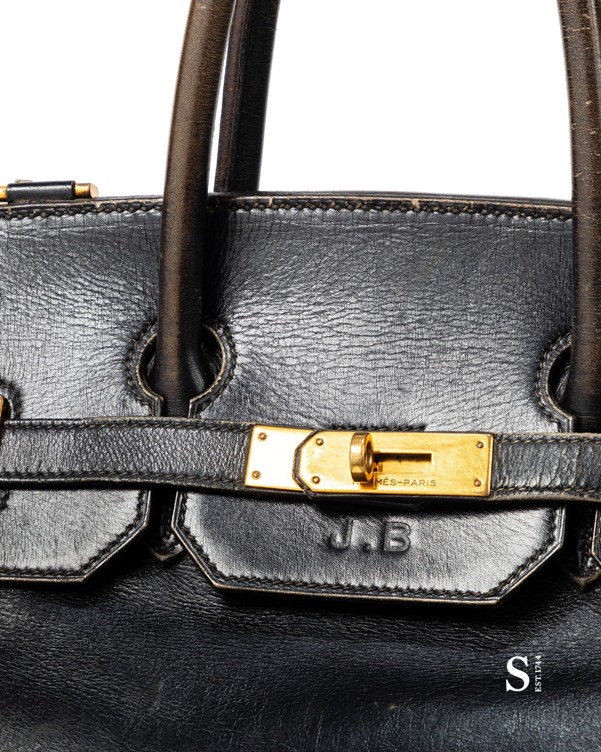
And finally, a rather quirky element, Jane Birkin preferred natural, well-maintained nails over polished fake nails. Ever practical, she kept a nail clipper readily accessible, tethered to a chain inside her Birkin and hanging from the shoulder strap’s base, ensuring her nails were always perfectly trimmed.
This prototype was more than just a fashion statement; it became inseparable from Jane herself. She carried it daily for nearly a decade, and its well-worn condition reflects her life on the move. Her Birkin served not only as a functional accessory but also as a canvas for her activism. Jane famously adorned it with stickers supporting Médecins du Monde and UNICEF, transforming the luxury handbag into a powerful symbol of her humanitarian efforts.
The impending sale of Jane Birkin’s original Birkin prototype at Sotheby’s is poised to significantly impact the broader Hermès market. By potentially fetching a record-breaking sum, this historic auction will not only set a new benchmark for bags with unparalleled provenance but also likely elevate the perceived value and desirability of all Birkin bags, from new releases to vintage models, across the primary and secondary markets. This event powerfully reinforces Hermès’ narrative as the epitome of luxury, craftsmanship, and timeless investment, further solidifying the Birkin’s status as the most coveted handbag in the world and intensifying collector interest in rare and unique pieces.
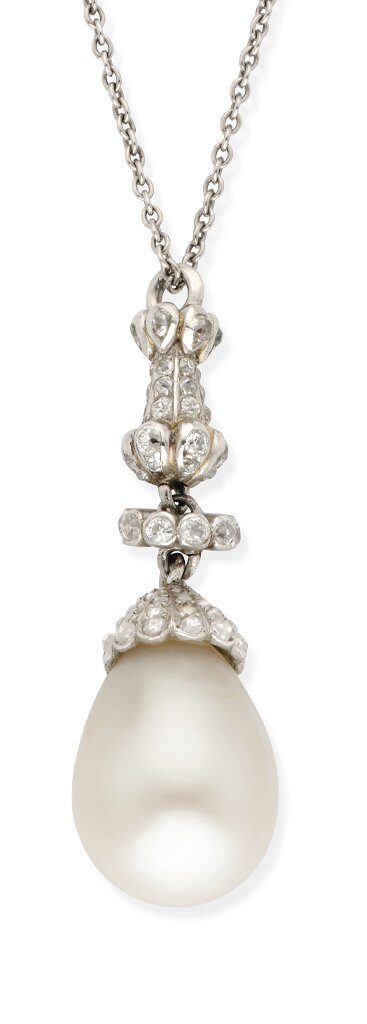
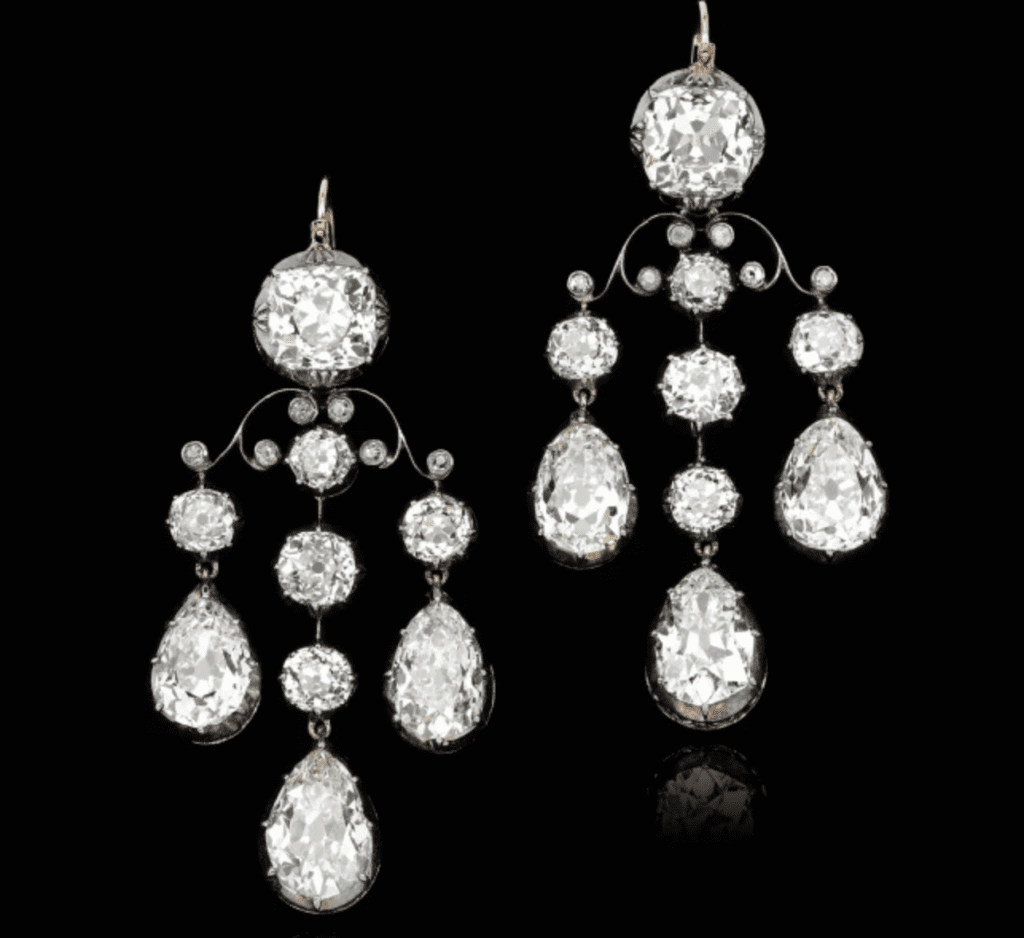














 In the mid-15th Century cutters designed the table cut diamond, they used the same polishing methods and simply removed the top point of the octahedral shape to produce a table.


 After developing and perfecting table and rose cuts, European cutters started to experiment with new cuts and styles. Cardinal Jules Mazarin requested that cutters in Europe designed a faceted diamond. The result was a cushion shaped diamond with 34 facets called the Mazarin cut, also known as the double cut.
 The mid-17th century saw the introduction of the single cuts. Like the point and table cut, the single cut resembled the shape of the octahedral rough. It also displayed more potential for brilliance than the table cut because it had more facets. This cut served as the basis for the modern brilliant cut and even today, the single cut is still used on smaller diamonds.
 The new rough from Brazil was used to create the first old mine cut also known as the Peruzzi Cut; this has the same number of facets as the round brilliant, but with a high pavilion it resembles a cushion shape. In 1750, a London jeweller called the new style of cut a passing fad and said the classic rose cut would outlast them all.